Leave Your Message
Choice of tools being constantly updated is critical to meeting the outcomes in patients in the ever-changing environment of cardiovascular intervention. The Interventional Guiding Catheter is one such device that plays many roles in being part of their procedure and yet possesses remarkable capabilities to increase efficiency and safety of the procedures. According to the recent report by the American College of Cardiology, improved catheter technology has resulted in a decrease of about 25 % in complication rates associated with percutaneous coronary interventions. This demonstrates the fact that precision-engineered products foster both optimal navigation and delivery of devices as well as a higher standard of care for patients.
Tianck Medical CO., Ltd. believes that Interventional Guiding Catheter would prove ground-breaking for improving treatment outcomes. Our continuous innovation drives the solutions that meet such transforming needs for the healthcare professionals and their patients around the world. Growth in demand for safe and efficacious interventional procedures makes establishing high-quality guiding catheters into clinical practice all the more imperative. By investing in cutting-edge technology and design, we intend to empower medical professionals with tools that will enable them to deliver exemplary care to patients, thereby improving their healing journey.
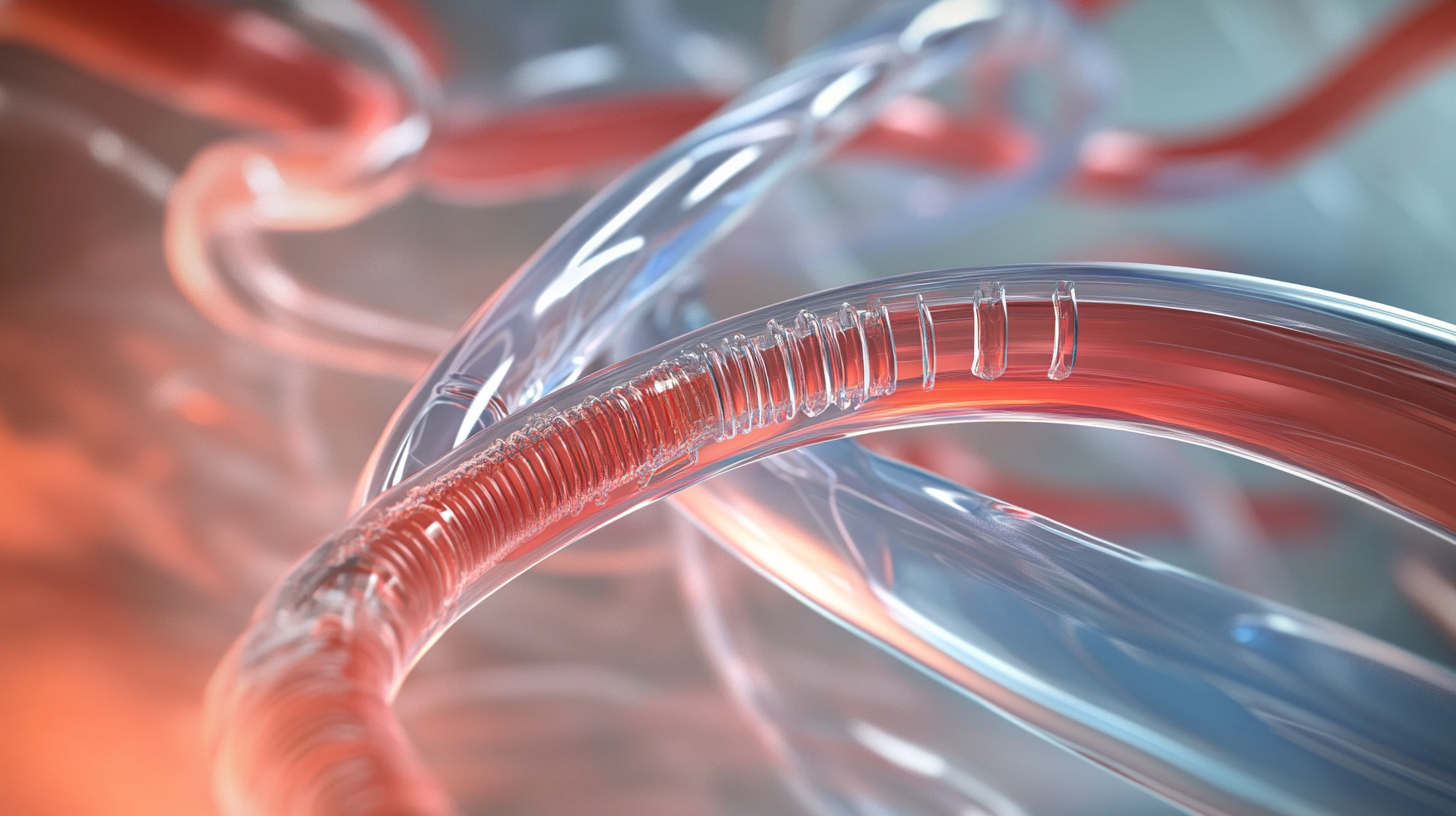
The workhorse of all interventional guiding catheters serves to augment the care of patients involved in the field of interventional cardiology, which is a niche dealing with the manipulation of catheters and other devices inside the human body. Therefore, such devices will ensure proper access for diagnostic and therapeutic instruments to the actual site needed inside the cardiovascular system. The American College of Cardiology report mentions that there has been a substantial improvement in procedural success rates with the introduction of these advanced guiding catheters, which has consequently decreased post-procedural complications. In a particular instance, the use of guiding catheters has helped reduce procedure times by as much as 25%, thus significantly reducing radiation exposure to patients and healthcare providers alike. The actual use of interventional guiding catheters refers to the flexibility with which they traverse complex vascular anatomies. Such data reported by the Society of Interventional Radiology indicate that these catheters allow clinicians to do more procedures, such as angioplasties and stent placements. It is also noteworthy to mention that studies show an increase in the technical success rate of complex interventions by 30% while utilizing an advanced guiding catheter over the previously accepted guiding methods. This enhancement not only increases the safety margin during the conduction of procedures but also constitutes an improved long-term patient outcome, thereby indicating the undeniable place of guiding catheters in contemporary interventional tactics. As healthcare systems generally adopt the patient-centric mode of service delivery, the infusion of advanced technology in procedures likewise becomes imperative. Interventional guiding catheters best represent this trend, providing physicians with the requisite tools for customizing interventions according to individual patient needs. The increasing literature favoring their usage and improved patient outcomes reinforce interventional guiding catheters' key role in enhancing patient care in interventional medicine.
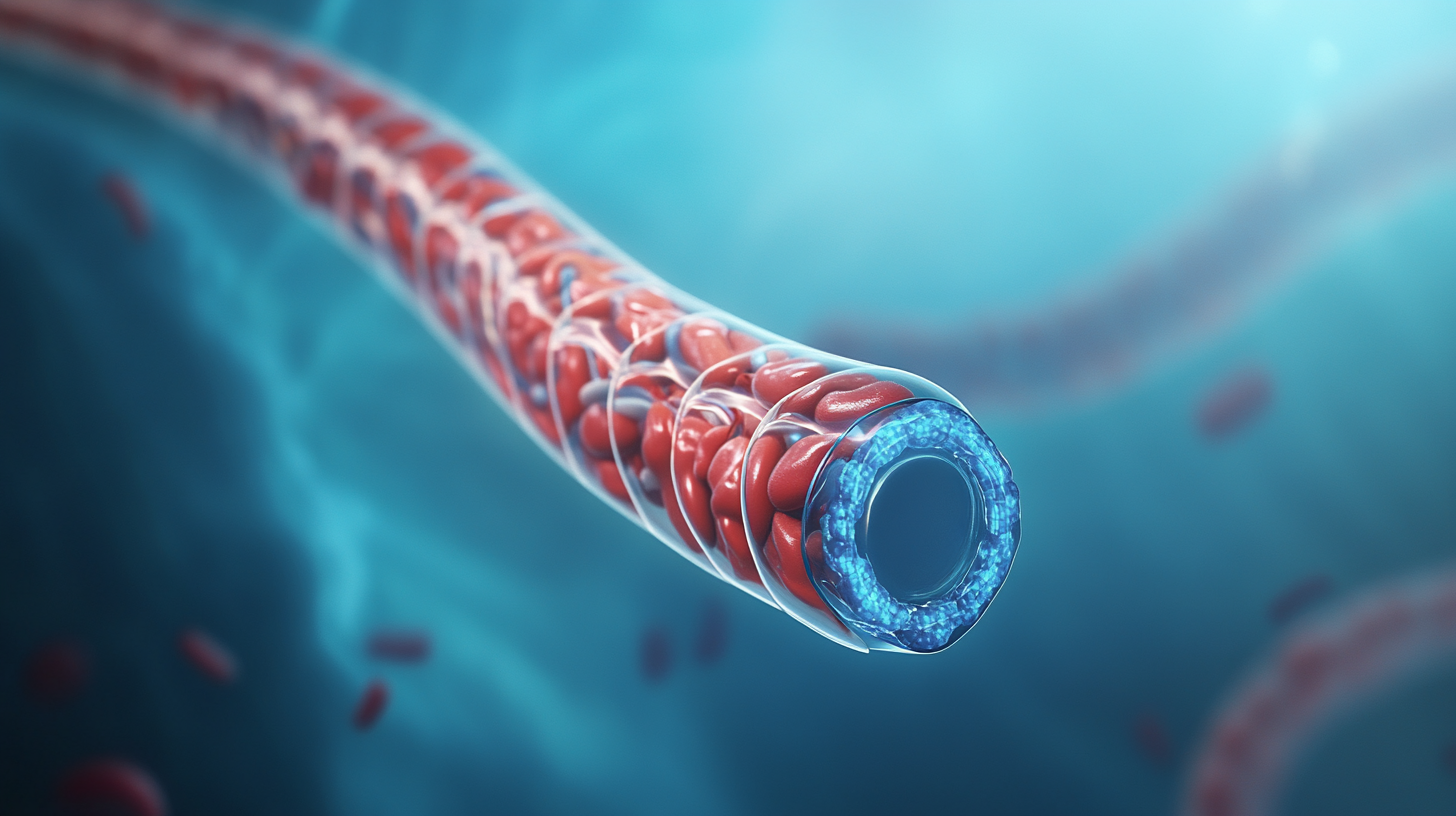
Interventional guiding catheters (IGCs) are significant determinants of different clinical outcomes in various interventional procedures. Report from the American College of Cardiology together with specialized IGCs shows that successful completion of a coronary intervention was as high as over 15% compared with the use of standard catheters. This effect arises from precision and maneuverability of IGCs which are perfect navigators through complex vascular systems.
On this note, the second merit accruing from IGCs has been the reduced complications during interventional events. A Journal of Vascular Surgery analysis indicated that IGC utilization reduced thromboembolic events by as much as 20%. Such reductions in adverse events translate not only to better patient safety but also to shorter hospital stays and elevated overall lowering hospital costs-an important consideration in an increasingly value-conscious modern-vantage point from which all medicines may be practiced.
Therefore, the IGCs are provided with some modern wave features which hasten and make the processes fairly efficient. A multi-tip design and hydrophilic coatings make these catheters smooth-moving through the vascular system. The Society for Cardiovascular Angiography and Interventions research has observed that when using IGCs, procedure times have decreased by 30%, thereby accommodating more patients and improving the flow of functions in a busy clinical environment.
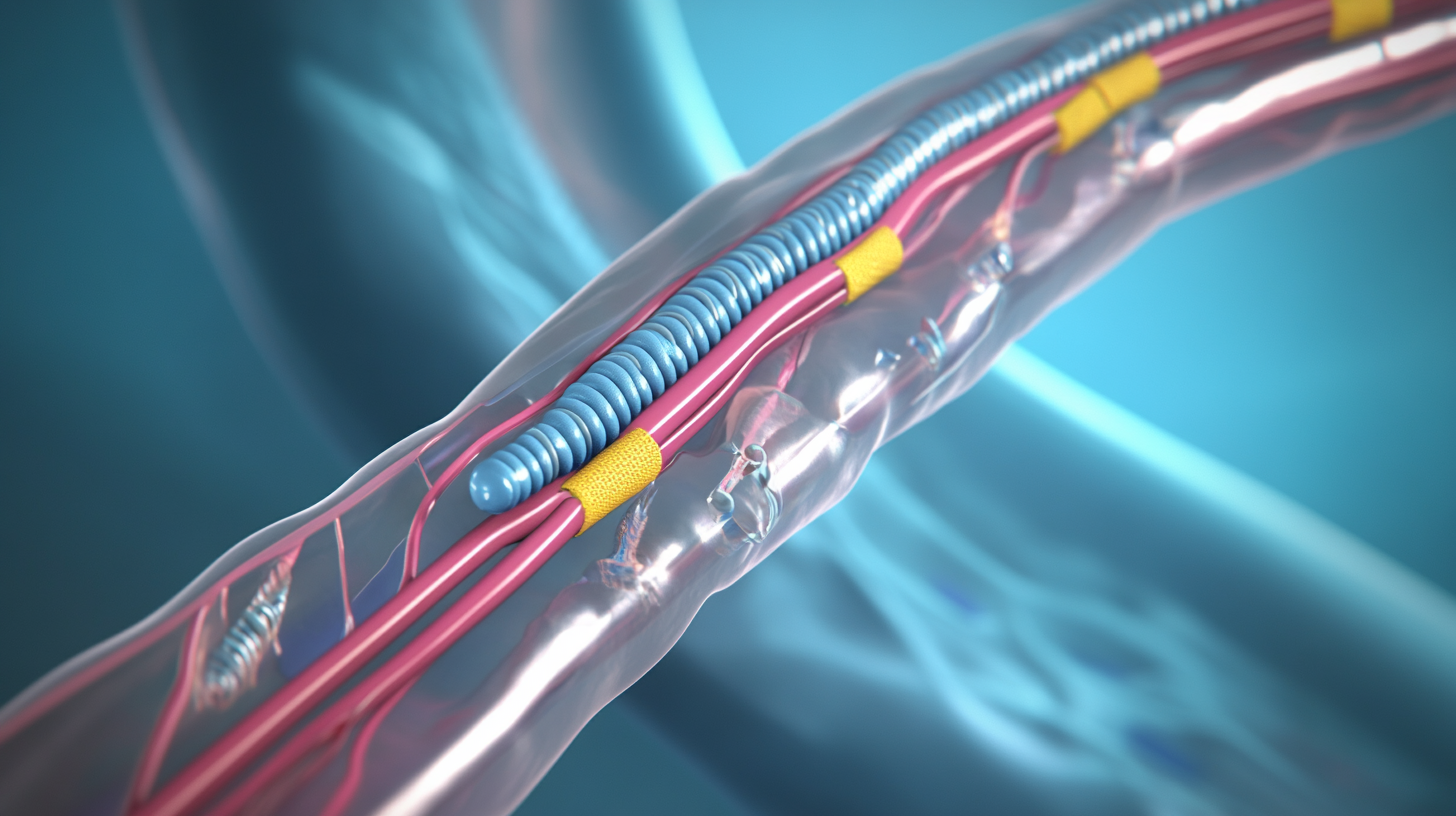
Interventional guiding catheters have become instrumental in improving the accuracy of medical interventions, thereby enhancing the outcome for the patient. New studies have found that imaging catheters had an estimated market value of about $1.3 billion in 2022 and are projected to have an estimated market value of about $2.1 billion by 2028, representing a compound annual growth rate (CAGR) of 8.5%. This study gives credence to the fact that the developing body recognizes advanced guiding catheters as part of interventions in various medical procedures, particularly cardiovascular procedures.
It has provided clinicians with the precision needed in surgical procedures. Guiding catheters allow clinicians to navigate complex vascular pathways more accurately, avoiding potential complications. Such procedures, according to industry reports, have achieved a 15% higher first-attempt success rate due to the innovative design of advanced imaging catheters for enhancing maneuverability and visualization. However, fine-tuning outcomes and improved accuracy significantly shorten recovery times and hospitalization periods.
In addition, cutting-edge imaging technologies have made their entry into it to take their capabilities further. This feature of real-time imaging and diverse tracking capabilities makes it easy to assess the anatomical site and thus achieve the optimal position of the device and then connect the device. New market analysis indicates that almost 40% of healthcare providers have started investing in these technologies primarily to boost procedural efficacy and improve patient outcomes. Thus the special focus on interventional guiding catheters proves their role in making modern healthcare top-notch in achieving therapeutic goals.
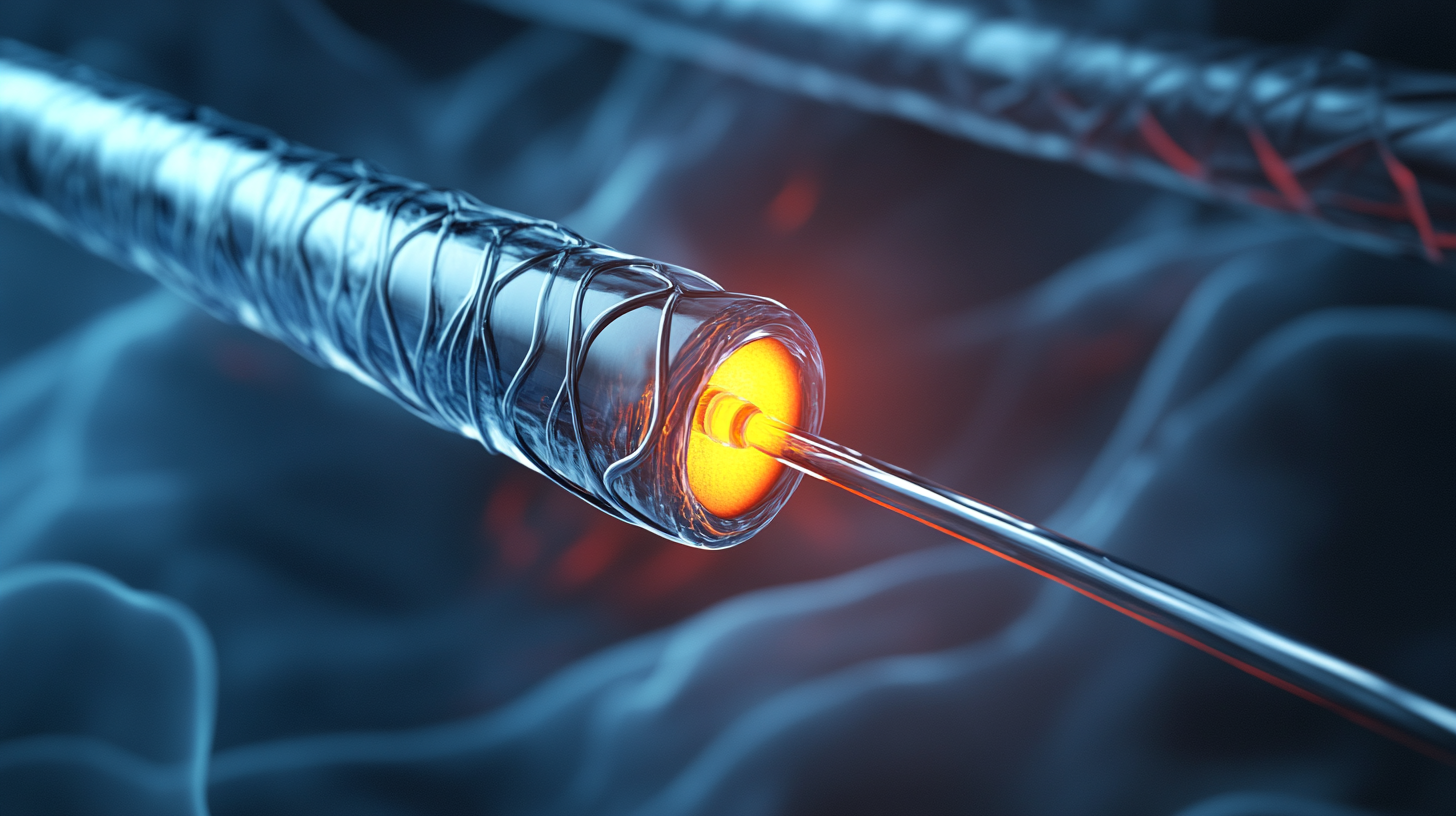
Interventional guiding catheters, in addition to all their other uses, also seem to be gaining ground due to traditional intervention benefits which are associated with safety. These catheters have proven very helpful in reducing complications related to all other conditions, especially with developing methods for treating deep vein thrombosis (DVT) in the lower extremities.
Recent reviews have underscored interventional treatment modalities for DVT, confirming the importance of guiding catheters in delivering optimum outcomes for patients. In essence, by accurately guiding affected vessels access, the catheters help reduce the possibility of complications associated with procedures such as hematoma or arterial injury. When all of this is taken into consideration, the benefit of safety associated with interventional guiding catheters also seems to become more clear-emerging evidence suggesting bedside procedures have assured success rates and improvement in procedures, as well as comfort, in settings such as the Intensive Care Unit.
Such state-of-the-art designs of catheters include sheathless-guiding systems, which will definitely increase the safety margins in procedures like percutaneous coronary interventions. This would face another step towards the evolution of technology in making better services for patients as safety is maximized and risks are minimized in procedures. This further builds the case that, as the medical community employs such technology in practice, patient safety is always beneficiary, being given priority issue making the acquisition of interventional guiding catheters a necessity in today's health care.
Interventional guiding catheters have brought about a major change with regard to minimally invasive intervention procedures. This has been particularly useful across interdisciplinary fields, as it can be used in the navigation through quite complex anatomical structures. Versatility has been at the center of ensuring procedures that were once considered challenging can be rerouted for the patient's best care possible. Catheters offer a range of designs for specialized applications that allow clinicians to access very complicated vascular networks while minimizing procedural risk and improving outcomes.
The adaptability goes even further beyond conventional applicative perspective of guiding catheters. Innovations in catheter design features suggest steerable tips and variable stiffness to allow real-time adjustments during procedures. It is of utmost importance in surgeries like complex interventions in the field of interventional cardiology or neurology, as even minor modifications can make a huge difference with regard to success rates. Supplying the touch, guiding catheters improve safety for the patients while streamlining the process.
Additionally, with the advanced imaging and guiding catheter, there are brighter avenues for minimally invasive surgery. The actual therapeutic strategy and its effectiveness in very precision take place between the high-definition imaging that allows the practitioner to visualize the exact catheter's position. It is an evocation of the importance of interventional guiding catheters as applied in modern medicine; they evolve at the same pace with their application to meet the needs of intricate procedures, focusing on patient safety and care quality.
These interventional guiding catheters act as both props and applause during a performance, possibly claiming to steer beyond mere patient prep. With specialized catheters, the procedure enters patient comfort consideration levels. Unlike traditional delivery catheters, interventional guiding catheters seek to reduce discomfort associated with conventional catheterization. Flexible pathways seen in catheter structures facilitate smoother navigation along the vasculature without resulting to trauma and pain. This applies in a way to physical pain and the associated anxiety that many feel when getting such a procedure, as it makes them feel secure knowing that their procedure has been optimized for their well-being.
Besides the reduction of procedure time with interventional guiding catheters, the procedure's streamlining is often achieved. Speeding up of procedural times, therefore, is not only beneficial to the physical comfort of the patient but also adds reassurance to the patient that caregivers have the means and equipment to handle the procedure. Their comfort is also assured since they are not going to be subjected to the potentially uncomfortable times spent in a surgical environment. With improved mechanisms such as these, targeted areas can be reached very quickly by the clinician thereby minimizing the time spent by the patient in potentially painful situations.
The precision that is required in the procedures performed with the help of interventional guiding catheters will go a long way toward improved outcome levels. Under such higher accuracy in performing the procedure, prophylactic measures can be reduced, leading to faster recovery with fewer follow-up visits. Patients leave facilities with an increased sense of optimism regarding their prognosis, which only strengthens the overall experience. It is a match between comfort, efficiency, and good health outcomes in terms of the relevance of interventional guiding catheters to enhancing patient care in the evolving world of medicine.
Interventional guiding catheters have become invaluable instruments today in the health care systems; in addition, they are very rewarding in the various procedures the hospitals carry out. To such an extent that, even though the initial cost input to these specialized catheters may strain one's conscience, yet in the long run, the economy justified such costs. Because these procedures are done more accurately with the catheters, the time of intervention will go down, and thus even improved patient outcome will decrease length of stay in hospital and overall cost of managing the patients.
It even carries with it fewer complications and additional interventions through the use of such their applications. Reduced adverse events imply that the treatment processes undertaken in adverse effects are not only better but are also limited in context by the national financial burden in managing such adverse events. It is always less costly for the healthcare providers when they avoid programmed follow-up expensive procedures and extended hospital stays.
From these direct economy gains, they can also help enhance the efficiency of how health care systems operate in this country. With faster and more productive procedures, hospitals can tend to their patients more quickly, resulting in a higher turnover rate. In this way, it has the effect of increasing the cash outlay going to serve the same number of patients while increasing the capacity of their establishments to service more. Investments into interventional guiding catheters, therefore, come out to be a strategic decision that benefits the patient care component and the economic viability of health institutions.
Recent advances in interventional guiding catheter technology are gearing up the stage for changes in the field of patient science. Recently AI-driven innovations, such as intelligent catheter positioning robots, have made it possible to perform procedures with having unrivaled accuracy. As a result, the safety and effectiveness of vascular intervention are enhanced and the duration of exposure and risks are minimized.
The competition in the vascular intervention tool field has recently emerged, with a plethora of companies able to secure large funding for research and development. The growth is, however, a healthy indicator for a healthy market into which these innovations keep coming as demand rises for minimally invasive surgical procedures. New technologies are afflicted from smart catheters to prodigious imaging techniques. The further technology pushed as much possible for the patient outcomes improved.
Furthermore, new biocompatible materials and designs are currently being developed to improve catheter performance, flexibility, and maneuverability in the vascular system. These innovations are not merely incremental but represent a step towards a patient-centered interventional cardiology and beyond. All improvements in such instruments make it clear that optimal patient care in the future is increasingly possible and more effective.
Interventional guiding catheters are specialized medical devices that enhance the ability to navigate complex anatomical structures during minimally invasive procedures.
Guiding catheters facilitate procedures that are challenging to perform, thereby reducing procedural risks and improving patient outcomes.
Recent innovations include steerable tips and variable stiffness features, allowing for real-time adjustments and enhanced control during complex interventions.
Advanced imaging techniques, such as high-definition imaging, help practitioners visualize the catheter's position accurately, ensuring effective and efficient therapeutic approaches.
AI-driven innovations like intelligent catheter positioning robots are enhancing the precision and safety of vascular interventions while reducing procedural times.
Novel biocompatible materials are being developed to improve catheter flexibility and maneuverability within the vascular system.
Continuous advancements in catheter technology are pushing towards a more patient-centered approach, making optimal patient care increasingly achievable and effective.
The rising demand is driving significant investments in research and development for advanced vascular intervention tools, fostering innovation in the field.
No, the advancements represent significant leaps toward improved catheter performance and patient-centered approaches in interventional cardiology and beyond.
The potential benefits include improved maneuverability, enhanced safety during procedures, and better overall patient outcomes in minimally invasive surgeries.