Leave Your Message
When it comes to urological procedures, the Ureteral Introducer Sheath has really become a go-to tool for making surgeries more efficient and precise. Here at Tianck Medical Co., Ltd., we’re passionate about improving patient outcomes and pushing healthcare forward with our innovative, carefully designed products. We understand that medical professionals and patients around the world have different needs, and that’s what keeps us motivated to create solutions that actually make a difference. In this blog, we want to give healthcare providers some helpful tips on how to use the Ureteral Introducer Sheath effectively. We’ll share best practices, techniques, and little tips that can really boost the quality of care in urology. When clinicians get the hang of using this trusty instrument properly, they can make their procedures smoother, and patients will generally have a better experience and higher satisfaction overall.
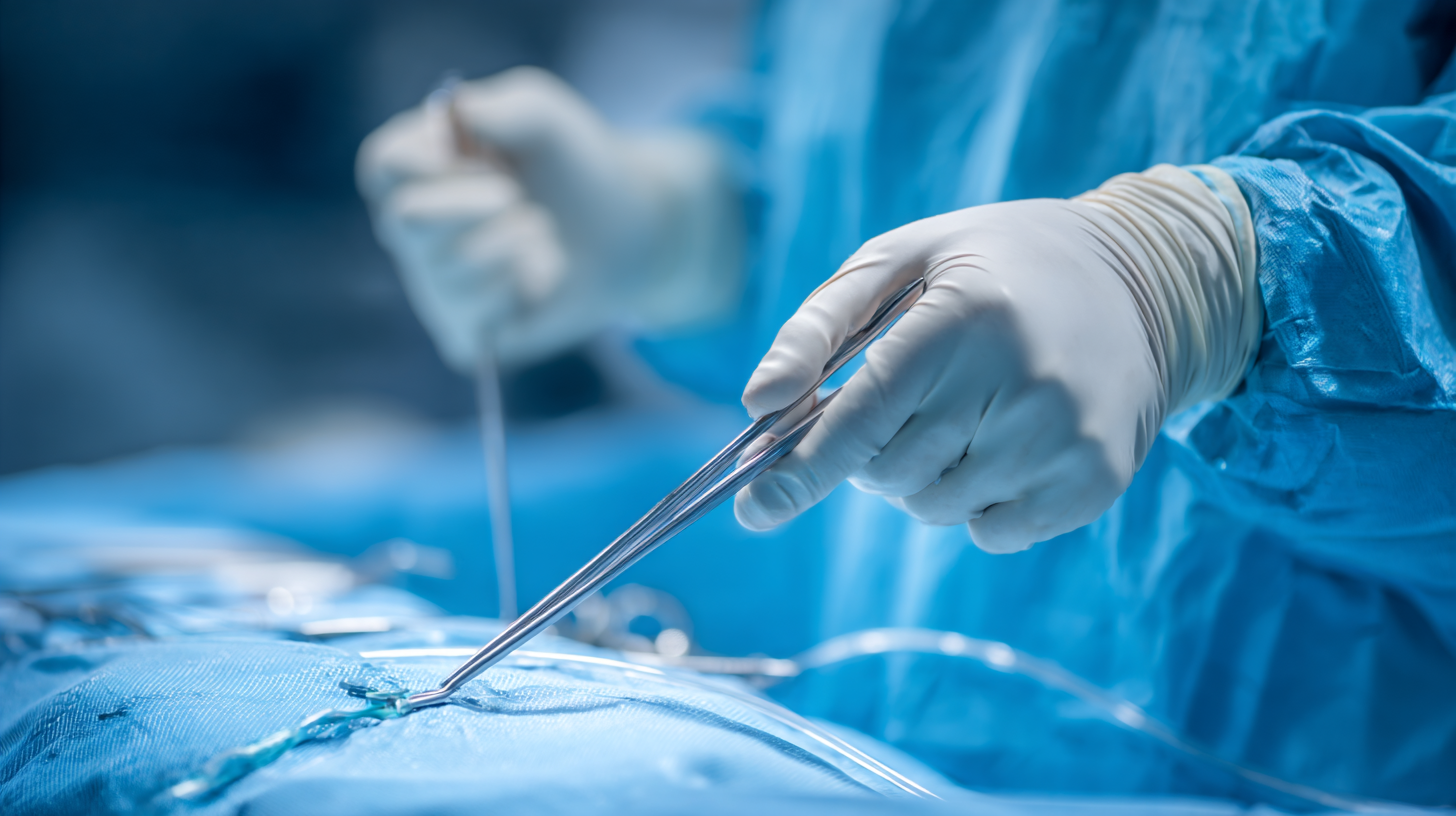
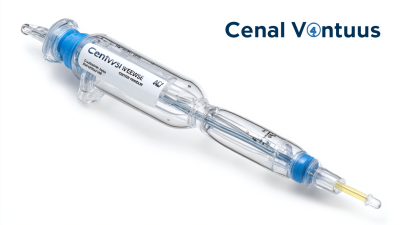
The ureteral introducer sheath is pretty much a key player when it comes to urological procedures. It’s designed to help get those instruments into the urinary tract safely and smoothly. If you're a healthcare professional, really understanding what it’s for can make a big difference — it helps cut down on complications and keeps things running efficiently. One of its cool features is the hydrophilic coating, which not only boosts flexibility but also makes it easier to navigate tricky anatomies without much fuss.
Lately, there have been some exciting advancements in sheath technology. Newer models are built to resist kinking better, meaning the whole process stays smoother even in complicated cases. These upgrades actually mirror a wider trend in medical device design—focusing on flexibility, ease of use, and overall efficiency to better serve healthcare providers. As urology techniques keep evolving, these advanced introducer sheaths are definitely going to be a big part of improving patient outcomes and making procedures more successful. It’s pretty fascinating to see how innovation keeps pushing things forward in this field.
The advancements in ureteral Access Sheath (UAS) technology are significantly transforming the landscape of urological procedures, particularly in the treatment of kidney stones through Retrograde Intrarenal Surgery (RIRS). Recent market reports indicate a growing demand for innovative urological devices, with the UAS sector projected to expand at a compound annual growth rate (CAGR) of over 7% in the next five years. This trend underscores the increasing preference for specialized instruments that enhance procedural efficacy and patient safety.
One of the standout innovations is the Y-Type Ureteral Access Sheath, which features a unique Y-shaped connector at its proximal end. This design provides two independent pathways: one for the main surgical instrumentation and another specifically dedicated to continuous irrigation and auxiliary tool passage. According to clinical studies, this dual-channel functionality facilitates optimal fluid dynamics within the kidney, which is critical for maintaining visibility and reducing the risk of complications during surgery. With enhanced control over irrigation and instrument management, surgeons are able to execute procedures with greater precision and efficiency.
Market analyses further highlight that the adoption of advanced UAS technology not only improves the surgical experience for patients but also streamlines operational workflows in urology departments. Hospitals report a notable decrease in procedure times, contributing to increased throughput and improved resource utilization. As the industry continues to evolve, the focus on innovative urological devices like the Y-Type UAS promises to drive better patient outcomes and elevate the standards of care in urological surgery.
: The ureteral introducer sheath facilitates access to the urinary tract, optimizing procedural outcomes and minimizing patient discomfort.
Optimal sheath sizes for adult patients typically range from 10 to 14 French, depending on the specific procedure being performed.
Proper insertion technique is vital because it can increase the success rate of the procedure, reduce time spent, and minimize complications.
Using fluoroscopy during insertion allows for real-time imaging, which can increase the success rate by up to 20% and improve procedural efficiency.
A hydrophilic coating reduces friction, enhances ease of insertion, and improves patient comfort during the procedure.
Clinicians may encounter logistical difficulties during insertion and complications related to inadequate dilation of the ureter.
Pre-procedural imaging can identify anatomical variations that may complicate access, allowing for better planning and increased efficiency.
Utilizing advanced suction-evacuation systems can help in the efficient removal of stones, minimizing the time the sheath remains inserted.
As the field of urology evolves with new technologies, adapting methods is crucial to ensure optimal patient outcomes and streamline procedural efficacy.
Complications can lead to delays in procedures, increased patient discomfort, or injury if not properly managed.
If you're a medical professional trying to get a better handle on using a Ureteral Introducer Sheath during urological procedures, this blog is a real gem. It starts off by explaining what exactly the sheath is and why it’s such an important tool, especially when it comes to improving patient outcomes. Then, it walks you through everything you need to do beforehand—think of it as your prep guide—and breaks down each step for inserting the sheath, making it easier to follow along.
The article doesn't just stop at the basics though. It shares some common hurdles you might run into during procedures and offers practical tips to help you navigate those issues smoothly. And, of course, it emphasizes how vital good post-procedure care is—you want your patients to recover well, right? So, it makes sure you're fully prepared to support them after the sheath is used.
All in all, Tianck Medical CO., Ltd. really shows its commitment to improving healthcare by providing precision tools that meet both the needs of doctors and the comfort of patients. It’s like having a friendly expert guiding you every step of the way.