When it comes to kidney care, you really can't underestimate how important the Peritoneal Dialysis Catheteris. Dr. Emily Thompson, a well-respected nephrologist at the Renal Health Institute, often says, "A properly placed Peritoneal Dialysis Catheter can make a big difference in how comfortable patients feel and how smoothly their treatment goes." That really drives home just how critical this device is for folks dealing with kidney failure.
The thing is, this catheter allows people to do dialysis at home, which means more independence and fewer trips to the hospital. For many, it’s truly a lifeline. But, of course, there are risks—things like infections or misplacement—that need to be watched closely. Proper insertion techniques and ongoing care are absolutely vital to keep everything running smoothly.
It’s super important for patients and caregivers to know about the possible issues that can pop up with the catheter. Learning how to take care of it can really help prevent problems and make sure it works at its best. While this device can genuinely change lives, staying vigilant and aware is key. Embracing the benefits is great, but it also means being proactive about maintenance and watchfulness. It's all about finding that balance and staying on top of things.

Peritoneal dialysis (PD) is an essential treatment for individuals with kidney failure. The peritoneal dialysis catheter plays a crucial role in this process. It allows access to the peritoneal cavity, where dialysis occurs. According to the National Institute of Diabetes and Digestive and Kidney Diseases, about 10% of chronic kidney disease patients start dialysis. A well-placed catheter significantly enhances treatment efficiency and patient comfort.
Interestingly, the importance of catheter care cannot be overlooked. Inadequate care can lead to infections, which are a leading cause of hospitalizations in PD patients. Studies show that around 30% of patients experience catheter-related complications. Ensuring that patients receive proper education on catheter hygiene is vital.
**Tips**: Always wash your hands before handling the catheter. Regularly check for signs of infection, like redness or swelling. Seek immediate help if you notice abnormal symptoms.
Proper catheter placement is also crucial. An experienced healthcare provider should perform the insertion. Mistakes during placement can lead to problems down the line. Reviewing placement efficacy is key to improving patient outcomes. Maintaining a proactive approach to catheter management can lead to better quality of life for dialysis patients.
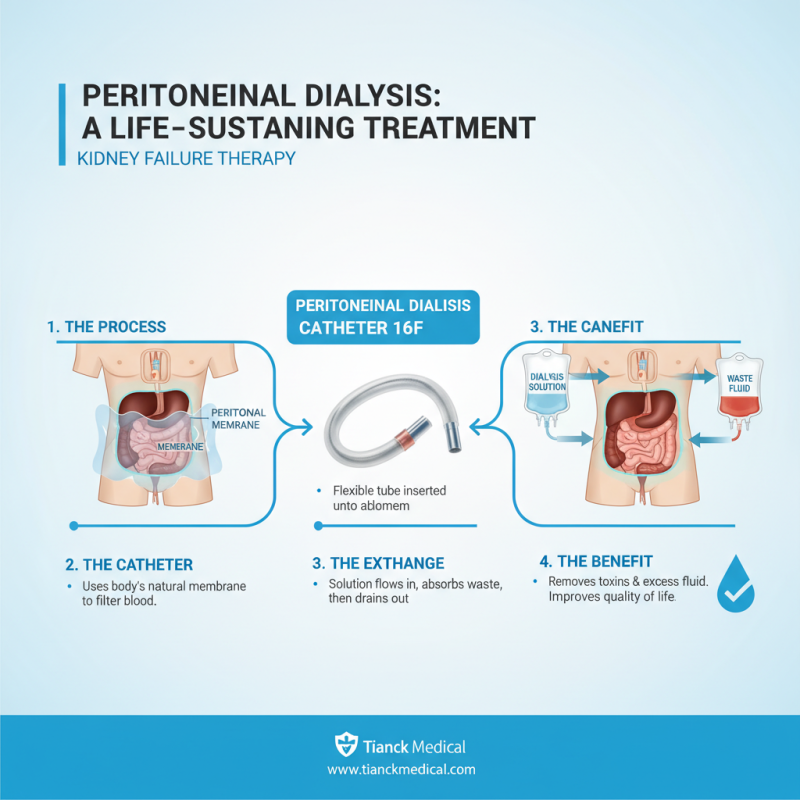
Peritoneal dialysis is a vital treatment for patients with kidney failure. It uses the body's peritoneal membrane to filter waste and excess fluid. A flexible tube, known as a Peritoneal Dialysis Catheter 16f, is essential for this process. The catheter allows dialysis solution to flow into and out of the abdomen. This exchange helps to remove toxins from the body effectively.
The mechanism of peritoneal dialysis is fascinating yet complex. Once the dialysis solution is inside the abdomen, it draws out waste through osmosis. Patients need to be mindful of hygiene. Infections can occur without careful handling. The catheter's placement is critical. A poorly positioned catheter may lead to complications. Adjustments might be necessary for optimal function.
Regular monitoring is also essential. Some patients may experience discomfort or leakage around the catheter site. These issues require attention to ensure ongoing effectiveness. Understanding these details can help improve patient experience and safety. The importance of the Peritoneal Dialysis Catheter 16f cannot be overstated. Proper care and management can enhance the quality of life for individuals relying on this lifesaving treatment.
Peritoneal dialysis catheters serve vital roles for patients with renal failure. These catheters allow for the removal of waste and excess fluid from the body. Patients who cannot tolerate hemodialysis often require this option. They provide more flexibility in daily routines. Catheters can be placed under local anesthesia. This reduces hospital stays and complications. Many patients prefer home treatment.
Indications for using peritoneal dialysis catheters are diverse. Individuals with chronic kidney disease are prime candidates. Those with diabetes may use this method as well. The catheter set aids in fluid exchange for these patients. Some patients suffer from Vascular Access issues. A peritoneal dialysis catheter can offer an alternative. However, not everyone adjusts well to this method. There may be risks such as infection or catheter malfunction. Each patient's situation varies significantly.
Patients must weigh the benefits and challenges. Mental readiness is crucial before starting treatment. Healthcare providers can help guide choices. Some find they need more time to adapt. Open communication about concerns is important. After all, the journey with a Peritoneal Dialysis Catheter Set is not the same for everyone. Careful consideration ensures better outcomes for many.
Peritoneal dialysis offers significant benefits for patients facing kidney failure. It provides a flexible treatment option that can be conducted at home. This is crucial for those who might struggle with frequent trips to a clinic. A peritoneal dialysis catheter is vital for this process. It allows for easy access to the peritoneal cavity, ensuring patients can manage their own care with more independence.
With the help of a Peritoneal Dialysis Catheter Kit, patients can perform exchanges comfortably. This approach helps maintain a better quality of life. Many patients notice improvements in their energy levels and overall well-being. They can engage more in daily activities without being tied to a strict schedule.
However, the importance of proper care for the catheter cannot be overstated. Infection risks exist and need to be addressed diligently.
Despite its advantages, adapting to peritoneal dialysis is not always seamless. Some patients may experience challenges during the transition from traditional hemodialysis. Learning the technical aspects can be daunting at first. This process requires commitment and patience. Support from healthcare providers can ease this journey and enhance understanding. Ultimately, peritoneal dialysis presents a meaningful avenue for patients to regain a sense of control over their health.
Peritoneal dialysis (PD) is a vital option for many patients with kidney failure. It provides a way to remove waste from the body. However, the catheter used in this process can pose risks. Patients need to be aware of these potential complications.
Infections are one major concern. Catheter-related infections can lead to peritonitis, a painful condition. Symptoms may include abdominal pain, fever, and cloudy dialysate.
Additionally, the placement of the catheter carries risks. Improper placement may cause bleeding or damage to surrounding organs. These are not minor issues and should not be overlooked.
Another complication is catheter malfunction. Blockages can occur, which disrupts treatment. Patients must monitor their catheters regularly. They should report any issues immediately. Awareness and education are crucial. Understanding these risks can help patients manage their health better.
The care and maintenance of peritoneal dialysis catheters are crucial for patient health. These catheters need regular inspection. Check for signs of infection. Redness, swelling, or discharge around the site can indicate problems. Weekly cleaning is vital. Use a mild soap and water to keep the area clean.
It's important to note that not all patients follow maintenance protocols. Some may forget cleaning schedules or skip routine check-ups. This can lead to complications, including peritonitis. Ensuring proper handling is key to preventing such issues. Replace sterile dressings when needed and keep the catheter secure.
Patients should also be aware of their body signals. If there’s pain or discomfort near the catheter, it may signal an acute issue. Some might hesitate to report symptoms early. Open communication with healthcare providers can prevent worsening conditions related to the Peritoneal Dialysis Catheter Acute scenarios. Awareness is essential for effective maintenance and long-term success.
Peritoneal dialysis (PD) can be life-changing for patients with kidney disease. The catheter is crucial. It allows for the infusion and drainage of dialysis solution. Many patients express concerns about the procedure and catheter care. Proper education can ease these worries. Understanding how to care for the catheter is essential. Infections can develop if it's not managed well.
Patient support networks also play a key role. Connecting with others who are undergoing PD can offer valuable insights. Sharing tips and experiences can foster confidence. Some patients may struggle with self-dialysis. It's common to feel discouraged at times. Seeking help from healthcare providers can improve the experience.
Family education is equally important. Family members often provide help during treatments. Involving them in learning can create a supportive environment. When everyone understands the process, it can ease anxiety. Encouragement from loved ones makes a big difference. Developing a strong support system can lead to better health outcomes with PD.
: Look for durability, functionality, and user-friendly design. Quality materials matter.
Consider your specific requirements. Ask yourself what you will use it for regularly.
Yes, read reviews and check specifications. Compare features side by side.
Check return policies. Sometimes, exchanging or returning is an option.
Seek out promotions, discounts, and bundled offers. Research prices before buying.
Yes, a warranty provides peace of mind. It protects against defects or issues.
Follow the provided instructions closely. Misuse can lead to accidents and damage.
Document your concerns. Contact customer support for possible solutions or guidance.
Be aware of shipping fees and taxes. Sometimes, added costs surprise buyers.
Research helps avoid poor choices. Understanding products reduces the likelihood of regret.
The article "Why is Peritoneal Dialysis Catheter Important for Patients?" highlights the critical role that Peritoneal Dialysis Catheters play in kidney care. It provides an overview of peritoneal dialysis, explaining its mechanism and outlining the various indications for catheter use. The benefits of this dialysis method for patients with kidney failure are emphasized, showcasing how it can enhance their quality of life.
However, the article also addresses potential risks and complications associated with Peritoneal Dialysis Catheters, underscoring the importance of proper care and maintenance to mitigate these issues. Furthermore, it stresses the significance of patient education and support to ensure the successful implementation of peritoneal dialysis. Overall, the article serves as a comprehensive resource for understanding the importance of Peritoneal Dialysis Catheters in managing kidney health.