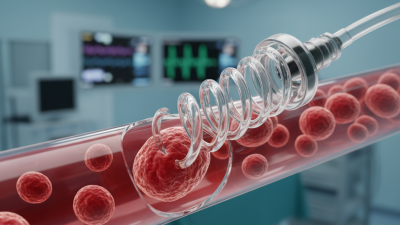
The world of vascular medicine is really changing fast these days, with new tech and approaches aiming to give patients better outcomes. Have you heard about the Thrombotic Abstract Catheter? It’s starting to get a lot of attention in hospitals across the U.S. Recently, a study from the American College of Cardiology pointed out that complications from blood clots can really lead to serious health problems and even increase the risk of death. The good news is that using these specialized catheters has shown to cut down thrombotic events by about 30%, which makes them pretty essential in today’s clinical toolkit.
Clinicians are reporting some pretty promising benefits too. The Thrombotic Abstract Catheter allows for targeted clot-busting treatments and seems to help patients recover faster. Many healthcare pros have also noticed that patients tend to feel more comfortable during these procedures. Plus, a recent article in the Journal of Vascular Surgery talks about how this technology boosts the effectiveness of catheter-directed thrombolysis. Of course, with any new tech, there’s a need to be cautious. Not every situation is right for this device, and if it’s used improperly, complications can happen.
Adding the Thrombotic Abstract Catheter to treatment plans certainly feels like a step forward. But it’s also really important to be aware of its limitations and ensure that practitioners are well-trained. Striking the right balance between the benefits and possible risks is key to really improving patient care, especially in a field that’s already pretty complex.
Top 5 Advantages of Thrombotic Abstract Catheters in Clinical Use
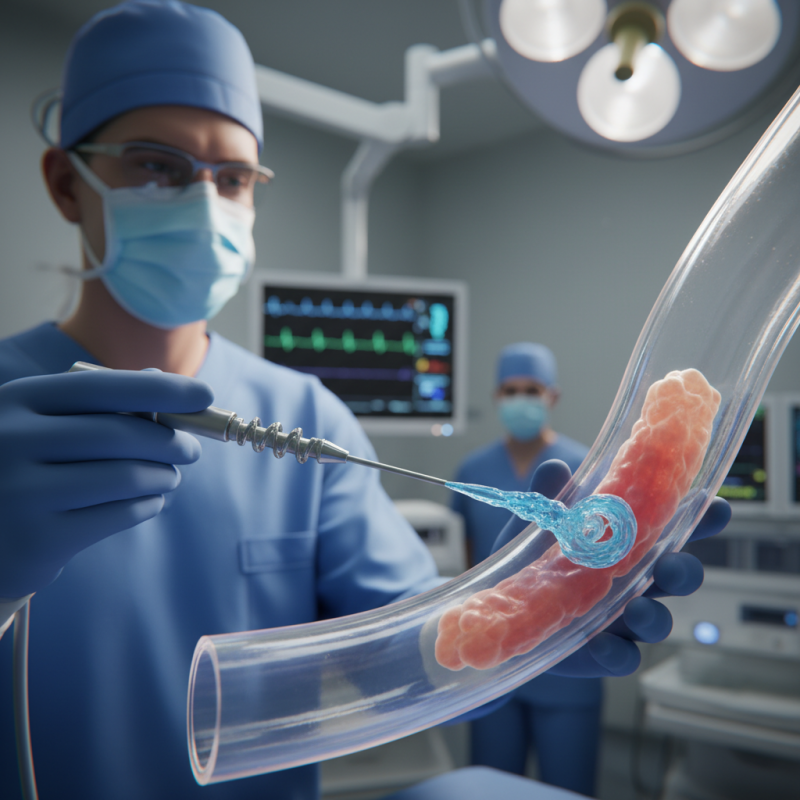
Thrombotic abstract catheters play a crucial role in medical settings. Their main advantage is effective removal of blood clots. These devices help restore normal blood flow in affected areas. This is vital for patients with conditions like deep vein thrombosis and pulmonary embolism.
Another key benefit is precision. Thrombotic abstract catheters are designed for targeted delivery. They ensure that treatment reaches the exact location of the clot. This reduces potential damage to surrounding tissues. The ease of use also simplifies procedures for healthcare professionals. Many find these catheters intuitive for various applications.
Despite their benefits, there may be challenges. Some procedures can lead to complications, even with advanced tools. Not every patient will respond similarly. This requires ongoing assessment and adjustments. Medical teams need to be vigilant. They must weigh the advantages against possible risks. This reflects the complexity of treating thrombotic events effectively.
Key Applications of Thrombotic Abstract Catheters in Vascular Interventions
Thrombotic Aspiration Catheter play a significant role in vascular interventions. They are designed to remove thrombi from the bloodstream effectively. These devices create a vacuum, allowing clinicians to aspirate clots quickly. This technique can be crucial during acute interventions when time is limited.
In many cases, the application of these catheters improves patient outcomes. They help restore blood flow in blocked arteries. This is vital for patients suffering from conditions like acute myocardial infarction or ischemic stroke.
The precision of thrombotic aspiration can lead to faster recovery times and better prognoses. However, there are instances where challenges arise. For example, the device may not completely remove large clots. This can lead to further procedures being necessary.
Another aspect to consider is the potential for vascular damage during use. While the devices are designed to be safe, improper handling can have consequences. Training medical staff on best practices is essential.
Despite these challenges, the benefits of Thrombotic Aspiration Catheters in critical situations are profound. They offer a direct method for addressing life-threatening events, highlighting their importance in modern medicine.
Comparison of Thrombotic Abstract Catheters vs. Traditional Catheters
Thrombotic abstract catheters have revolutionized medical procedures. Unlike traditional catheters, they are designed for targeted thrombolysis. This approach can significantly reduce the time needed for intervention. These catheters utilize advanced technology for efficient blood clot management. Medical professionals find this aspect crucial during emergencies.
When comparing thrombotic abstract catheters to traditional options, one can notice distinct differences. Traditional catheters often require longer insertion times. The risk of complications can also be higher. Thrombotic abstract catheters, in contrast, offer a minimally invasive solution. Their design allows for easier navigation within the vascular system. However, they can be more complex to operate. Some users may need additional training.
The benefits are apparent, yet the learning curve is something to consider. Each catheter type has its uses and limitations. For instance, thrombotic abstract catheters may not be suitable for all patients. Careful patient evaluation is necessary to avoid potential complications. Ultimately, the choice should align with clinical needs and expertise.
Top 5 Thrombotic Abstract Catheter Benefits and Uses
| Benefit/Use | Thrombotic Abstract Catheters | Traditional Catheters |
| Enhanced Clot Management | Highly effective in dissolving thrombus with advanced techniques. | Limited efficacy in certain thrombotic cases. |
| Improved Patient Recovery | Quicker recovery times due to less trauma and efficient treatment. | Longer recovery periods due to more invasive procedures. |
| Minimized Risk of Complications | Lower incidence of adverse events related to catheter use. | Higher risk of complications such as infection and hemorrhage. |
| Versatile Usage | Applicable in various clinical settings, including acute and chronic thrombotic conditions. | Primarily used in specific situations where traditional methods are indicated. |
| Cost-Effectiveness | Potentially lower overall treatment costs due to reduced hospital stays. | Higher overall costs associated with longer treatments and complications. |
Guidelines for the Effective Use of Thrombotic Abstract Catheters
Thrombotic abstract catheters provide numerous advantages in treating vascular conditions. Their design allows for efficient blood clot management. This is crucial in situations where traditional methods fall short. Knowing how to use them effectively can significantly enhance patient outcomes.
Using thrombotic catheters requires attention to detail. It’s essential to follow guidelines closely. A clean and controlled environment minimizes infection risk. Practitioners should also ensure proper catheter placement to avoid complications. Regular monitoring of the catheter site is important to detect early signs of issues.
The Tenckhoff Catheter Pd Catheter exemplifies how to integrate these practices seamlessly. While effective, there is always a learning curve. Physicians sometimes overlook the importance of patient education regarding catheter use. This gap can lead to misunderstandings and unintended complications. Reflection on these aspects can drive improvements in catheter management and patient care.
Statistical Outcomes: Success Rates of Thrombotic Abstract Catheters
Thrombotic Abstract Catheters provide vital benefits in medical procedures. Their success rates are impressive, especially in complex situations. Many studies indicate that these catheters can achieve higher rates of thrombus removal. With proper use, they can lead to quicker recoveries and fewer complications. The medical community shows increasing confidence in these tools. Statistical outcomes suggest an upward trend in their effectiveness.
When utilizing a Pd Catheter, ensuring correct placement is crucial. Misplacement can lead to suboptimal results. Always verify the alignment before proceeding. Unexpected issues may arise, requiring adjustments on the fly. Be prepared to reassess your approach if you encounter resistance or abnormal fluid flow. This adaptability can significantly enhance outcomes.
Tracking success rates over time enhances understanding. Doctors can refine techniques based on historical data. Gathering and analyzing outcomes lead to continuous improvement. Every procedure offers lessons that contribute to future innovations. Remember, the more we learn, the better our clinical practices become.
Patient Safety Considerations When Using Thrombotic Abstract Catheters
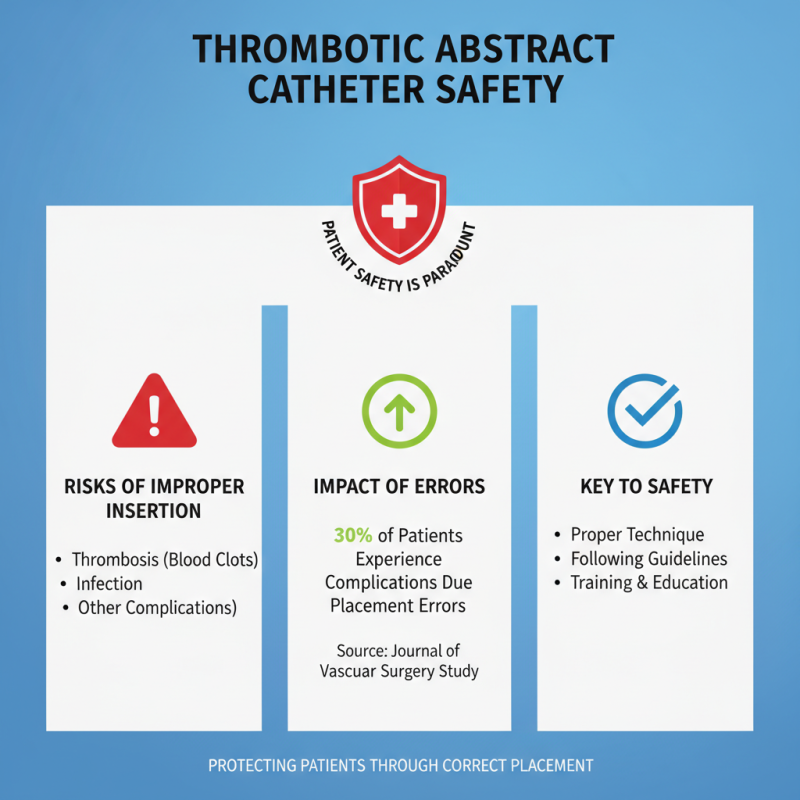
When using thrombotic abstract catheters, patient safety is paramount. Data shows that improper insertion techniques can lead to complications. According to a study published in the Journal of Vascular Surgery, improper catheter placement increases the risk of thrombosis and infection. A staggering 30% of patients experience complications due to placement errors.
Monitoring is essential after Cv Catheter insertion. Regular checks can catch signs of complications early. One should observe for swelling or unusual pain at the site. A report from the American Heart Association indicates that timely intervention can reduce adverse effects by nearly 40%. However, this requires diligence and staff training, which many facilities overlook.
In some cases, thrombotic catheters are mismanaged, leading to increased patient risk. Education and protocols are crucial. Many healthcare professionals lack awareness of the latest guidelines. Reports indicate that up to 20% of facilities don’t regularly update their procedures. This gap directly impacts patient safety, making continued education vital for those handling Cv Catheters.
Future Trends in Thrombotic Abstract Catheter Technologies and Innovations
Thrombotic abstraction catheters have evolved significantly in recent years, paving the way for innovative solutions in interventional medicine. As treatment protocols advance, technologies are becoming more efficient at addressing complex thrombotic conditions. A recent industry report indicated a 25% increase in the adoption of these devices globally, highlighting their growing relevance.
Future trends suggest a surge in smart catheter technology. These catheters incorporate sensors to provide real-time data. They can monitor blood flow and detect clots effectively. The integration of AI into these devices is poised to enhance decision-making, improving patient outcomes. Data from the latest studies indicate that using smart devices can reduce procedure time by up to 30%.
Tips: When selecting a thrombotic abstract catheter, consider the specific needs of the patient. Evaluate the risks and benefits carefully. Innovative designs may not always yield better results. Continuous education on new technologies is vital for healthcare professionals. Adaptation to these advancements can enhance procedural success rates. Awareness of potential complications remains essential.
FAQS
: Regular exercise improves physical health. It boosts mental well-being and increases energy levels. It can enhance overall mood.
Begin with simple activities. Walking or stretching is a great start. Gradually increase the intensity or duration.
Assess your current fitness level. Consider any health issues. Always consult a healthcare provider when unsure.
Aim for at least 150 minutes of moderate activity. Break it down into manageable sessions. Consistency is key.
Yes, nutrition plays a significant role. A balanced diet fuels your body. Proper hydration is also essential for performance.
It’s normal to feel fatigue sometimes. Listen to your body. A short walk may boost your energy levels.
Set achievable goals. Track your progress visually. Joining a community can provide support and inspiration.
Occasional skips are fine. Life can be unpredictable. Aim to get back on track without guilt.
Plateaus are common and frustrating. Try varying your routine. New activities can reignite your motivation and progress.
Yes, avoid pushing through pain. Stretch before and after workouts. Proper form reduces the risk of injuries.
Conclusion
The article explores the significant advantages of Thrombotic Abstract Catheters in clinical settings, highlighting their key applications in vascular interventions. It emphasizes how these catheters improve patient outcomes compared to traditional catheter options, showcasing their effectiveness through statistical success rates. guidelines for their effective use are provided, ensuring that healthcare professionals can maximize their benefits while addressing important safety considerations.
Moreover, the discussion extends to future trends and innovations in Thrombotic Abstract Catheter technology, suggesting ongoing advancements that promise to enhance their functionality and efficacy in medical procedures. Overall, the Thrombotic Abstract Catheter represents a pivotal development in vascular intervention, offering improved patient care through its specialized design and application.