You know, in the fast-changing world of healthcare, picking the right Cvc Catheter is kind of a big deal. It impacts not just patient outcomesbut also how smoothly things run in medical facilities. Recent market research is saying that the global central Venous Catheter market could hit around800 million bucks by 2025! That's mainly because there’s a growing number of chronic diseases out there and a serious need for better intravenous therapies. As healthcare providers are on the lookout for fresh solutions to meet global needs, there's been some exciting progress in CVC catheter technology, giving us safer and more effective choices.
Here at Tianck Medical CO., Ltd., we totally get how important it is to have precision-engineered medical products. That's why we're all about developing CVC catheters that not only meet those tough safety standards but also make life a little easier for patients. So, as we dive into the trends for 2025 and explore some viable alternatives, this guide is here to help medical professionals find the insights they need to make smart procurement decisions.
Alright, let’s talk about choosing the right Central Venous Catheter (CVC) for global procurement. It’s super important to get a grip on the key features if we want to ensure top-notch patient care and keep things running smoothly. One big thing to think about is the material the catheter is made out of. You definitely want biocompatible materials since they help reduce the risk of thrombosis and infection, which, let’s be honest, are pretty common issues with central Venous Access. Also, you need to pay attention to the catheter's size and lumen configuration because they should match the specific clinical use. Don't forget about factors like flow rate and how medications will be administered – these can make a big difference!
Now, the next thing on the list is how the catheter is inserted and maintained. If you can find catheters that come with advanced tech, like ultrasound guidance or introducer sheaths, that’s a definite win – it really boosts the accuracy and safety during insertion. Plus, having easy-access ports and securement devices is key for keeping the catheter secure and preventing issues like dislodgement or occlusion. And, of course, don’t overlook the manufacturer specs about sterility, ease of use, and how well the catheter fits in with whatever systems you’re already working with. Making an informed choice here can help meet those global healthcare standards we’re all aiming for.
Alright, let’s talk about picking the right Central Venous Catheter (CVC). It’s super important to know what types are out there, especially when you're looking at global procurement needs. CVCs are pretty essential in today's medical world, helping with all sorts of treatments and medication delivery. According to a report from 2022 by Global Market Insights, the demand for these catheters is expected to grow by about 5.7% every year from 2023 to 2030. That just goes to show how crucial it is to have better vascular access devices in healthcare settings. You’ll find a range of options in the market – there's single-lumen, double-lumen, and even multi-lumen CVCs, all tailored for different clinical situations.
Now, when you’re deciding which CVC to get, take a moment to think about the materials used, the tip design, and how you plan to use it. For example, polyurethane catheters are known for being strong and biocompatible, which makes them a great choice for patients who need longer-term care. Plus, it’s really important to weigh the pros and cons between peripherally inserted central catheters (PICC) and traditional CVCs. Factors like how long the treatment will last, the patient's anatomy, and possible risks should definitely shape your decision.
**Quick Tip:** If you can, always go for catheters with anti-microbial coatings. Studies have shown they can really help cut down the infection risks that can come with central line insertions.
Healthcare folks also need to keep an eye on new technologies and innovations out there, like ultrasound-guided insertion techniques. These have made a real difference, improving CVC placement success rates and lowering complication risks. Staying updated on these advancements will really help in making informed decisions that fit your specific procurement needs.
**Another Tip:** Make it a habit to review your suppliers' certifications and check out product reviews. This way, you can make sure you’re getting high-quality and safe CVC catheters for your facility.
| Type of CVC Catheter | Indications | Size (Fr) | Material | Duration of Use |
|---|---|---|---|---|
| Triple Lumen Catheter | Fluid resuscitation, Administering medications | 7, 8, 9 | Silicone | Up to 30 days |
| Dual Lumen Catheter | Long-term access for dialysis | 8, 9 | Polyurethane | Up to 12 months |
| Single Lumen Catheter | Temporary access for medication delivery | 6, 7 | Silicone | Up to 14 days |
| Hemodialysis Catheter | Access for hemodialysis | 8, 10 | Polyurethane | Permanent |
| Peripherally Inserted Central Catheter (PICC) | Long-term intravenous access | 4, 5, 6 | Silicone or Polyurethane | Up to 12 months |
When it comes to picking out Central Venous Catheters (CVCs) for global procurement, getting a good grip on quality standards and certifications is super important. You know, the International Organization for Standardization, or ISO for short, really steps up to the plate here. They set the guidelines that help ensure medical devices are safe and effective. A report from MarketsandMarkets even shows that the global market for CVCs is on track to hit $3.5 billion by 2026—that’s a big deal! It just goes to show how much demand there is for top-notch products.
CVCs really need to meet specific standards like ISO 13485, which is all about ensuring there’s a solid quality management system in place for medical devices. This means they’re produced and controlled consistently, which is what we all want, right?
And then there are those certifications, like the CE marking in Europe and FDA approval in the U.S., which really underline that these products meet strict regulatory requirements. According to another report from Grand View Research, more people dealing with chronic diseases means there’s an increasing need for CVCs, pushing manufacturers to amp up their quality assurance processes. Not only do these certifications make healthcare safer, but they also build trust among healthcare providers who use these products—definitely a factor that can influence patient outcomes. So, for healthcare organizations trying to fine-tune their procurement strategies, it's crucial to focus on vendors that meet these quality standards.
So, when it comes to picking out central venous catheters (CVCs), cost-effectiveness really stands out as a key consideration for healthcare facilities everywhere. I’ve seen some recent reports that say the global CVC market is on track to grow steadily, with an estimated annual growth rate of about 7.8% from 2021 through 2028. What’s fueling this growth? Well, it's mostly due to the rising number of cancer and kidney disease treatments that need reliable vascular access. That means hospitals really need to take a close look at not just the upfront costs but also how these decisions can impact patient outcomes and overall healthcare spending down the road.
At Tianck Medical Co., Ltd., we totally get that high-quality CVCs are crucial for improving patient care. Our products are precision-engineered to meet the expectations of medical professionals, focusing on usability and safety. There’s even a study in the Journal of Vascular Access that shows that when hospitals invest in better CVC designs, they can cut infection rates by 25%. That’s pretty significant, right? It really shows how investing in cost-effective, quality products can lead to serious savings in healthcare costs. Partnering with manufacturers who are all about patient outcomes, like us at Tianck Medical, can really make a difference in how effective healthcare delivery is around the world.
When it comes to sourcing central venous catheters (CVCs) for our global procurement needs, it’s super important to really understand the regional differences. You know, different areas may have their own rules and regulations, not to mention varying manufacturing capabilities and what materials are available. All of this can really affect the overall quality and reliability of the catheters we get. Take Europe, for example—sourcing from there often means sticking to some pretty strict safety and efficacy requirements from the European Medicines Agency (EMA). This ensures we’re getting high-quality products that meet those tough clinical standards.
Switching gears to Asia, though, you might find that it can be more budget-friendly. There’s a wide array of suppliers who are offering competitive prices. But, here’s the thing: it’s absolutely key to look closely at their manufacturing practices and how well they follow international standards. We want to avoid any risks that come with subpar products, right? Plus, we can’t forget about other factors like logistics, supply chain stability, and what’s going on in the local market. All of these elements play a huge part in making smart decisions. So, by doing some thorough research and teaming up with local partners, our procurement teams can figure out how to navigate these challenges and choose the best CVC options that fit our organizational goals and uphold patient care standards.
When it comes to managing the procurement processes for CVC catheters, it’s super important to stick to best practices if we want to keep things both high-quality and cost-effective. You know, there’s this report from Research and Markets that predicts the global market for central venous catheters is hitting around $3.2 billion by 2025! That’s mainly because of the rise in chronic diseases and more surgical procedures popping up all over. It really highlights how crucial it is for procurement teams to stay on top of innovative solutions, all while dealing with those pesky cost pressures.
One great way to tackle this is by doing a good needs assessment before jumping into procurement. There was a survey by the Healthcare Supply Chain Association back in 2022 that found about 60% of healthcare providers were struggling with keeping their catheter inventory in check. So, by using data analytics, procurement teams can really streamline their inventory management, cut down on waste, and make sure they have the right products on hand when they’re needed. Plus, building strong relationships with suppliers can lead to better terms and quicker delivery times, which is a game changer in those emergency situations where getting timely patient care is absolutely critical.
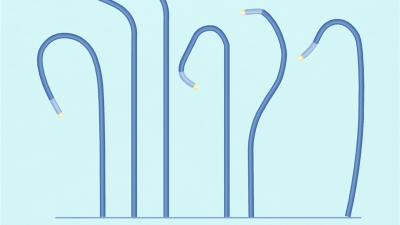
Revolutionizing cardiovascular procedures requires a keen understanding of the tools that facilitate these critical interventions. Among these, guiding catheters play a pivotal role in ensuring procedural success during cardiovascular surgeries, including coronary artery and peripheral vascular interventions. By providing a stable pathway, guiding catheters enable the precise navigation of subsequent instruments, such as balloon catheters and stents, toward the lesion site.
The latest market research highlights how advancements in guiding catheter technology can significantly enhance surgical outcomes. These innovations not only improve the stability and maneuverability of the catheters but also contribute to reducing procedural time and enhancing patient safety. Clinicians are increasingly recognizing the value of high-quality guiding catheters that ensure smooth delivery of multidisciplinary teams' tools during complex cardiovascular interventions.
As the demand for more effective cardiovascular solutions grows, it is essential for medical professionals to stay informed about the latest advancements in guiding catheter designs. Emphasizing the impact of these devices can lead to improved patient care, optimize surgical procedures, and ultimately revolutionize the landscape of cardiovascular interventions.
: Key features include the material of the catheter, size and lumen configuration, insertion and maintenance methods, advanced technology for insertion, and manufacturer specifications for sterility and compatibility with medical systems.
The material is crucial because biocompatible materials can minimize the risk of complications such as thrombosis and infection associated with central venous access.
CVCs should meet standards such as ISO 13485 for quality management systems, and obtain certifications like CE marking in Europe and FDA approval in the United States to ensure safety and efficacy.
Regional differences can impact quality and reliability, with Europe often having stricter regulatory standards, while Asia may offer cost-effective options but requires careful evaluation of manufacturing practices.
Certifications enhance trust in the products and ensure compliance with stringent regulatory requirements, ultimately affecting patient outcomes and safety in medical practices.
Logistical considerations include supply chain stability, local market dynamics, and the ability to navigate regional regulatory standards to optimize procurement strategies.
Advanced technology such as ultrasound guidance and introducer sheaths enhances the accuracy and safety of the catheter insertion process.
The global market for CVCs is projected to reach $3.5 billion by 2026, indicating significant demand for high-quality catheter products.
Tailoring the catheter size and lumen configuration is important to meet specific clinical needs, such as flow rates and medication administration requirements.
By prioritizing vendors that meet quality standards and regulations, conducting thorough research, and leveraging local partner insights, healthcare organizations can optimize their procurement strategies for CVCs.