Leave Your Message
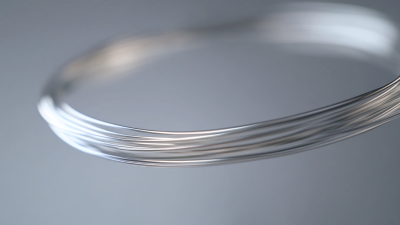
You know, in today’s fast-paced world of medicine, there’s this huge push for better tools that not only boost surgical accuracy but also keep patients safe. One of the game-changers here is the Nitinol Guide Wire. It’s really made a difference in how various medical specialties handle interventional procedures. A recent study from Market Research Future has some eye-opening stats, predicting that the global guide wire market is set to hit around USD 1.94 billion by 2025. This growth is largely fueled by the rising rates of cardiovascular issues and the increasing preference for minimally invasive surgeries. What really sets Nitinol apart is its unique properties. This nickel-titanium alloy is super flexible and has this cool shape memory feature, which makes it perfect for Guiding Catheters and other devices through those tricky vascular paths.
At Tianck Medical Co., Ltd., we’re all about enhancing patient outcomes and pushing the boundaries of healthcare with our precision-engineered products. We’ve poured a ton of effort into creating our Nitinol Guide Wire, which is designed to improve maneuverability and lower the chances of any hiccups during procedures. As more and more of the global healthcare scene shifts towards solutions that really prioritize patient safety and effectiveness, it’s essential for both healthcare providers and patients to get a solid grasp of what Nitinol Guide Wires can bring to the table.
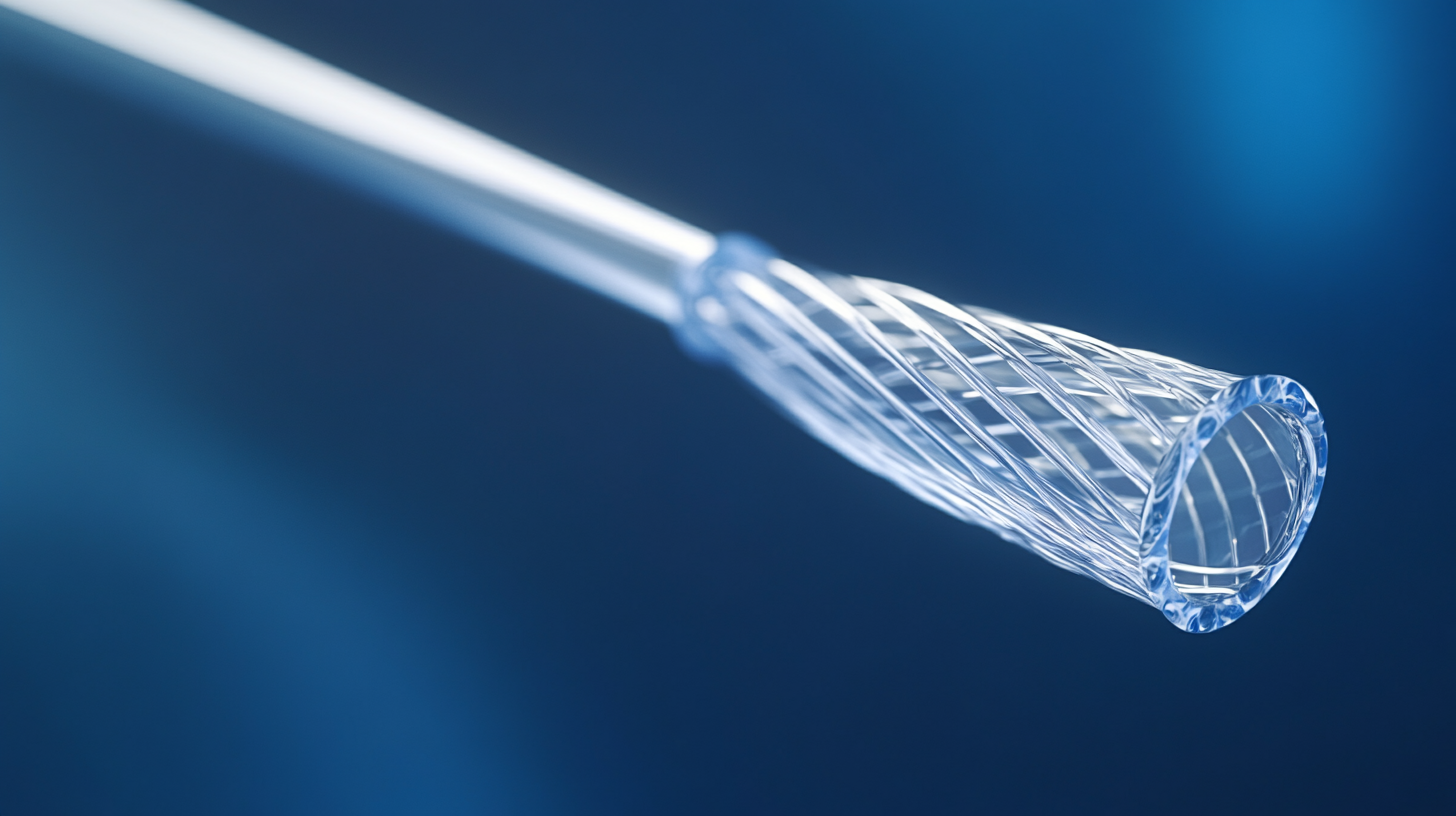
So, let’s talk about Nitinol, this super cool nickel-titanium alloy that’s really making waves in the medical world. What’s so special about it? Well, one of its standout features is its shape memory capability. Basically, it can remember its original shape and go back to it when it hits certain temperatures. This is a game changer, especially for making things like guide wires, stents, and other implantable devices. They can twist, turn, and weave through our complex bodies so much more easily and precisely. And there’s more! Nitinol is also biocompatible, which is just a fancy way of saying it can hang out in our bodies long-term without causing any nasty reactions. In recent years, there’s been a lot of buzz around Nitinol tech, especially as the medical field is moving towards more complex and less invasive surgeries. It’s pretty exciting, really! It’s all about using smart materials that can flex and adapt to our body’s ever-changing conditions. On top of that, there’s a rising demand for fancy medical gadgets, which means more companies are jumping into the biotech game. A little competition never hurts, right? As manufacturers hustle to come up with improved medical tools, the innovations in Nitinol and other shape memory materials could seriously up the ante. Just think about how much this could enhance surgical outcomes and speed up patient recovery times—it's such an important piece of the puzzle for the future of medical technology.
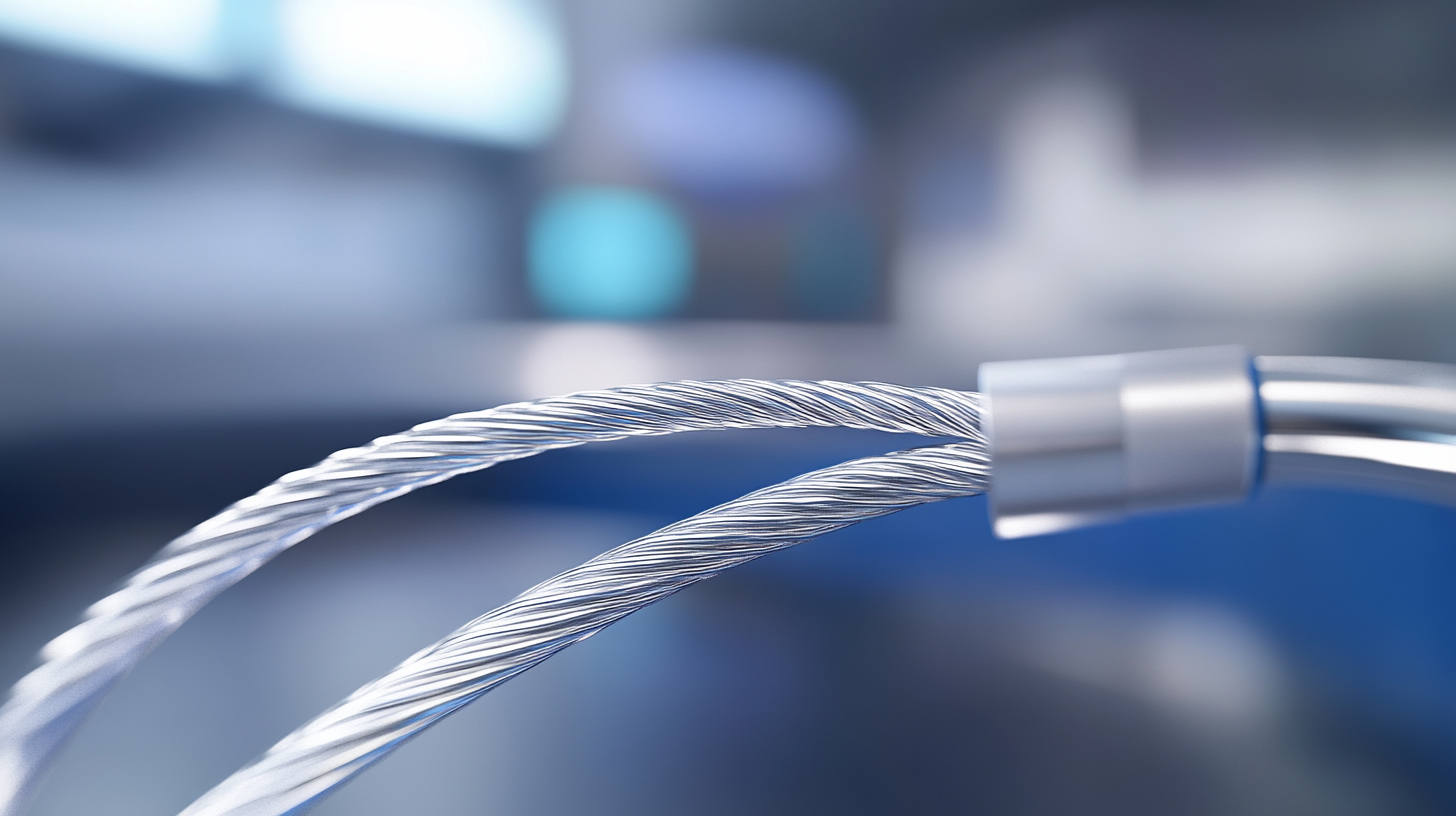
Nitinol guide wires have revolutionized the field of minimally invasive procedures, offering significant advantages that enhance patient outcomes and procedural efficiency. Nitinol, an alloy of nickel and titanium, is characterized by its unique superelastic properties and shape memory, allowing it to return to a predetermined shape after deformation. According to a report by MarketsandMarkets, the global nitinol market is projected to reach $3.47 billion by 2026, with a significant portion driven by its application in medical devices, especially guide wires.
One of the primary advantages of nitinol guide wires is their flexibility and ability to navigate complex anatomical structures. This adaptability reduces the risk of vessel trauma, a critical factor in procedures such as percutaneous coronary interventions and endovascular surgeries. A study published in the Journal of Endovascular Therapy highlighted that the use of nitinol guide wires resulted in a 20% reduction in procedural complications compared to traditional metal wires. This decrease not only leads to improved patient safety but also lowers overall healthcare costs by minimizing the need for follow-up procedures and extended hospital stays.
Furthermore, the superelastic nature of nitinol allows these guide wires to maintain their shape under different conditions, making them ideal for crossing challenging lesions. Research from the American Journal of Cardiology noted that nitinol guide wires enable successful crossing of lesions in 85% of cases, significantly higher than the 70% success rate observed with standard guide wires. This capability is critical in advancing the effectiveness of minimally invasive techniques, leading to quicker recovery times and higher patient satisfaction rates. The integration of nitinol technology continues to enhance the precision and efficacy of medical interventions, marking a vital step towards the future of healthcare.

When you dive into the world of medical devices, comparing Nitinol guide wires with the old-school stainless steel ones shows just how far we've come in technology and patient care. Nitinol, by the way, is this cool alloy made of nickel and titanium that has some pretty unique properties—like superelasticity and shape memory. This means it's great for weaving through the complicated pathways of our bodies. For healthcare pros, that translates to way better maneuverability, especially during those super delicate vascular procedures where every little detail counts.
Now, traditional guide wires have been the go-to for ages, right? They’re strong and sturdy, but honestly, they can be a bit rigid when you need them to be flexible. Nitinol wires are different—they adapt to the twists and turns of blood vessels, which not only lowers the chance of causing damage but also helps keep things comfy for patients when they're being inserted. Plus, since Nitinol is so flexible, it can easily match up with the curves of our anatomy, which really boosts both performance and success rates.
And there's more! Nitinol is also biocompatible, which means patients generally see fewer complications and bounce back quicker because of less friction and irritation. As the medical world keeps evolving, it's all about using materials that not only get the job done but also keep risks down. So, when you stack up Nitinol against traditional guide wires, you really see this ongoing hunt for innovation in medical devices, leading us to better outcomes for patients—something we can all get behind!
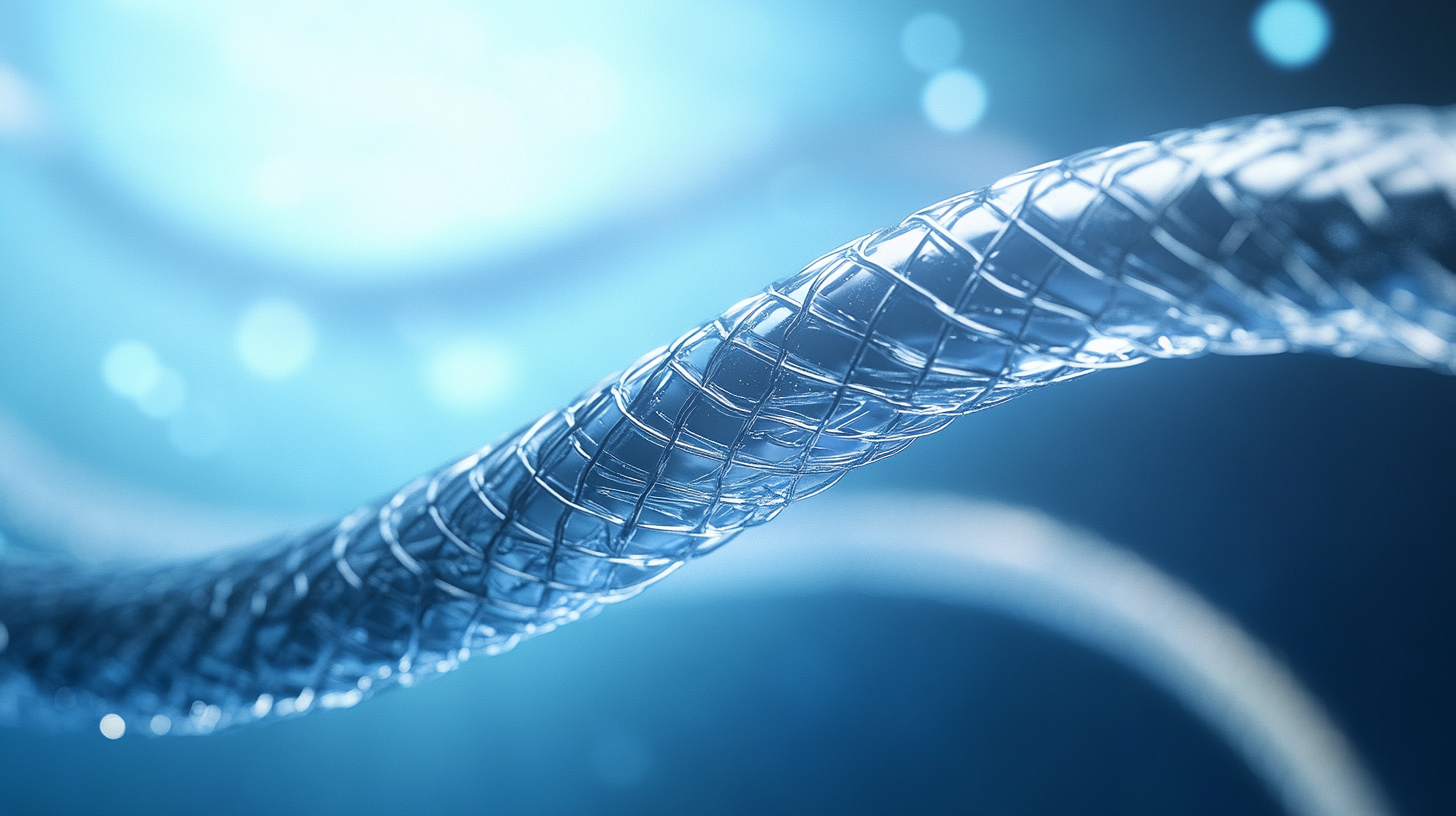
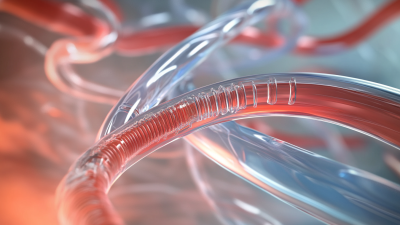
So, let’s talk about Nitinol guide wires—they’ve really become a game-changer in modern cardiovascular procedures, and for good reason! Nitinol, which is this cool alloy made from nickel and titanium, is famous for its amazing flexibility and shape-memory features. What’s even better is that it’s biocompatible, meaning it's friendly for the body. These traits help doctors navigate through those tricky and complex vascular pathways more easily, which is super important because it means less trauma to the blood vessels during procedures. This is especially critical when dealing with peripheral vascular disease, where getting into those blocked arteries is no small feat.
Now, here’s an interesting bit of news from the folks at InsightAce Analytic Pvt. Ltd. They recently shared that the global market for peripheral Vascular Guidewires hit a whopping USD 1.3 billion in 2023, with predictions showing it’ll grow about 3% annually between 2024 and 2032. This upward trend is mainly due to an increasing number of people facing cardiovascular diseases and the growing desire for less invasive surgical options. By the time 2034 rolls around, the guidewire market is expected to surpass USD 1.57 billion, and I tell you, Nitinol guide wires will be a key player in providing the healthcare industry with safer and more effective treatment choices.
On top of that, they estimate that the market for Nitinol-based medical devices could reach USD 9.37 billion by 2034. It really shows how much we’re leaning on these innovative materials in medicine! Plus, as clinical procedures like interventional cardiac MRIs keep advancing, having top-notch tools like Nitinol guide wires is going to be vital for boosting the accuracy and success rates of these interventions. Ultimately, this all translates into better outcomes for patients. The versatility and dependability of Nitinol really helps it stand out in guiding instruments through those challenging anatomical twists and turns in cardiovascular treatments.
You know Nitinol, right? That nifty nickel-titanium alloy that has this cool shape memory and superelastic trick up its sleeve? It's really shaking things up in the world of medical devices. But here's the catch – there are some bumps in the road that both manufacturers and healthcare folks need to navigate to make sure it's as effective as it can be. One major hurdle is actually in how they make these Nitinol guide wires. This alloy is super finicky about heat, so they've got to be spot-on with temperature control to keep its properties just right. If they mess that up, it can lead to differences in how the wires perform, which is definitely not ideal when safety is on the line during procedures.
Then there’s the whole deal with imaging. Nitinol’s flexibility and strength really come into play when you’re doing delicate work, but its radio-opacity can make things tricky, making it hard to see during surgeries. To tackle this, engineers are getting creative with coatings and using composite materials to help visibility without losing what makes Nitinol so great. And let’s not forget, there’s a ton of research happening to boost the biocompatibility of the alloy, too. They want to ensure it doesn’t cause any nasty reactions in patients. With all these innovative approaches and some serious testing, the medical community is really working hard to make the most out of Nitinol. They’re focused on meeting the needs of modern healthcare while keeping patient safety and effective procedures front and center.
You know, the future of Nitinol technology in the medical field is looking pretty bright! It's exciting to see how continuous advancements are really promising to improve clinical outcomes. Nitinol, that cool alloy made from nickel and titanium, is renowned for its unique superelastic properties, and it’s being used in a bunch of medical devices, like stents, guide wires, and catheters. According to a report from MarketsandMarkets, they expect the Nitinol medical devices market to hit a whopping 4.5 billion dollars by 2027, which is a growth rate of about 7.8% annually from 2022. That just goes to show how much trust people are putting into Nitinol’s performance, especially in critical applications.
Lately, there’s been some really neat innovations aimed at making Nitinol devices even better. For example, thanks to advancements in laser cutting technology, we can now create more intricate and precise guide wires which really help with maneuverability and make navigating those complex vascular systems a lot easier. Plus, there’s a buzz around adding bioactive coatings to these Nitinol devices. This could actually help lower thrombosis rates and boost biocompatibility, leading to improved patient outcomes, which is awesome! With a growing demand for less invasive surgeries, research is diving into how Nitinol can be applied in minimally invasive procedures, which are always great since they usually mean quicker recovery times and fewer complications.
On top of all this, the biotech sector is digging into using Nitinol for some advanced stuff like robotic-assisted surgeries and 3D-printed implants. I mean, how cool would that be? These innovations could really change the game when it comes to how surgeries are performed, offering way more precision and customization options. And according to the Journal of Medical Devices, incorporating smart tech, like temperature-sensitive reactions in Nitinol, might help create devices that can adapt dynamically to the human body’s environment. This could really up the ante when it comes to therapeutic efficacy. All of these developments are setting the stage for an exciting new era in healthcare, where Nitinol will be key to boosting patient care and improving surgical success rates!
Nitinol is this super cool nickel-titanium alloy that's really shaking things up in the medical world. It's got some pretty unique properties that are all about making treatments safer and more effective for patients. One of the standout things about nitinol is its shape memory feature—it can actually go back to a set shape when heated up! This means that medical devices can work just right inside our bodies. The alloy’s flexibility and toughness let it twist and turn through the tricky paths of our anatomy, which really helps cut down on the trauma to nearby tissues during procedures, like when they’re putting in catheters or stents. Because of this, patients end up feeling less pain and get to recover faster, which just totally transforms their healthcare experience for the better.
But nitinol isn’t just about how it works mechanically; it’s really boosting the success rates for a bunch of different medical interventions. Take nitinol guide wires, for example. They’re super important in both cardiovascular and neurological procedures where precision is everything. These wires can be navigated through the most intricate pathways with ease, allowing doctors to reach exactly where they need to without causing any unnecessary damage. This not only makes the procedures more effective—leading to better health outcomes—but also helps build trust between patients and their doctors since the risks of invasive treatments are kept to a minimum.
And let’s not forget about its biocompatibility. Nitinol really shines here too, reducing the chances of causing any nasty reactions inside the body. As the medical field keeps focusing on putting patients first, materials like nitinol are going to be crucial in cutting down complications and creating safer treatment environments. With all the exciting developments happening in nitinol technology, it looks like the future of healthcare is going to be even more effective and friendly for patients than we’ve ever seen before.
Nitinol is a nickel-titanium alloy known for its unique properties, particularly its shape memory capability, which allows it to return to a predetermined shape when exposed to specific temperatures, and its superelasticity.
Nitinol's shape memory and superelastic properties enable the creation of devices such as guide wires and stents that can easily navigate complex anatomical structures with precision.
Yes, Nitinol is biocompatible, making it suitable for long-term implantation in the human body without causing adverse reactions.
Key challenges include the sensitivity of Nitinol to heat during manufacturing, which requires precise temperature control, and variability in mechanical performance that can affect the reliability of the devices.
While Nitinol's properties allow for superior maneuverability, its radio-opacity can make it difficult to visualize during procedures, prompting exploration of coatings and composite materials to improve visibility.
There is ongoing research focused on enhancing the biocompatibility of Nitinol and integrating innovative solutions to improve its manufacturing and functionality in demanding medical applications.
The increasing demand for sophisticated and minimally invasive medical devices has spurred interest in Nitinol, as its unique properties support advancements in surgical techniques and patient care.
The trend towards complex, minimally invasive surgical procedures highlights the need for advanced biomaterials like Nitinol, which can adapt to the dynamic conditions of the human body.
A healthy competition in the biotechnology field is driving manufacturers to innovate and improve medical tools, positioning Nitinol as a key player in developing high-performance medical devices.
The potential improvements in surgical outcomes and patient recovery times due to advancements in Nitinol technology underline its critical role in the future of medical technology.