You know, in the constantly changing world of urology, the Ureteral Introducer Sheathhas really become an essential tool for many practitioners. I was recently reading a report by MarketsandMarkets, and it’s pretty eye-opening — they’re predicting the global market for urological devices will hit around $12 billion by 2026! That just shows how much demand there is for new, better solutions. Experts like Dr. Emma Carter often say, “The Ureteral Introducer Sheath is so important for keeping complications at bay during procedures,” and honestly, I think she’s onto something.
As trends in the industry evolve, we've seen some pretty cool improvements in the design of these sheaths. Modern versions are easier to maneuver and actually help lower the trauma patients might experience. In fact, hospitals using these latest tech report about a 30% dip in errors during operations — which is a big deal. Still, not everyone’s got access to the newest gadgets, so there’s a fair bit of disparity when it comes to patient care.
It’s pretty clear that more education and investment are needed. A lot of practitioners still stick with older, outdated equipment, and that can really hold things back in terms of efficiency and safety. Continuing training on how to properly use these sheaths isn’t just helpful — it’s essential for better outcomes. Sure, there are always unforeseen challenges, but this field has so much potential to improve patient safety and overall care quality. We really need to keep the conversation going and push forward in this vital part of urology.

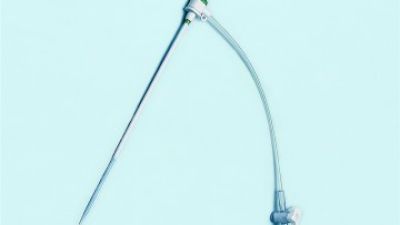
The ureteral introducer sheath is a vital tool in modern urology. By 2026, its design has evolved significantly. This device helps facilitate access to the urinary tract during various procedures. It allows for the introduction of instruments without damaging the ureter. A sleek, flexible structure enhances maneuverability in tight spaces.
In recent years, there has been a focus on making the sheath more user-friendly. Innovations have led to improved materials that increase durability and reduce the risk of complications. However, challenges remain. Training for medical professionals is critical to minimize errors during use. The sheer variety of cases can lead to inconsistent handling. Each procedure is unique, demanding a tailored approach to ensure safety and effectiveness. The learning curve can be steep, highlighting areas for ongoing education.
While the advancements are promising, reflection is necessary. The potential for misuse or misunderstanding looms large. It is essential to communicate these complexities clearly. As technology progresses, so must our approach to its application. Awareness and education are key to bridging the gap between innovation and effective practice.
The Ureteral Introducer Sheath is an essential tool in urological procedures. Its primary function is to facilitate the introduction of instruments into the urinary tract. Typically made from high-grade materials, it provides necessary flexibility and strength. The design must allow for smooth passage through the ureters. Recent studies highlight that improper use can lead to complications like ureteral injury in 5% of cases.
Key components of the Ureteral Introducer Sheath include its tapered tip and the sheath's length. Tapered tips allow easier navigation through intricate anatomical paths. Current data shows that the optimal length can vary, with many practitioners preferring lengths between 40 cm and 60 cm. This range ensures easier access to various kidney points. Additionally, the sheath must provide adequate backflow prevention. This is crucial, as fluid management impacts procedural success rates.
Fluid dynamics also play a vital role in the Ureteral Introducer System. For example, pressure management during procedures can significantly minimize complications. However, there is a growing concern about inconsistency in leak rates across different designs. User feedback shows that achieving a perfect seal remains a challenge in many cases. This inconsistency often requires further innovation and study to ensure effectiveness and safety in clinical use.
In 2026, the use of ureteral Introducer Sheath s has transformed renal procedures. These devices create a passage for catheters. They help minimize complications during surgeries. However, their usage demands careful technique and consideration. Many practitioners still grapple with the nuances of proper placement. An improper introduction can lead to urinary tract injuries. This aspect often requires repeated training and review.
When discussing clinical applications, these sheaths improve access in challenging anatomies. They allow for the safe navigation through the renal pelvis. Navigating through strictures or stones becomes easier with an introducer sheath. Still, the learning curve persists. Some physicians report issues with sheath sizes and selection. Adjusting to the patient's specific anatomy can be daunting.
The adoption of introducer sheaths does come with its challenges. Some practitioners question their necessity in every case. There is an ongoing debate about their cost-effectiveness. Patients sometimes experience temporary discomfort post-procedure. These factors prompt continuous evaluations of clinical practices. Ultimately, using an introducer sheath requires both skill and reflection on outcomes.
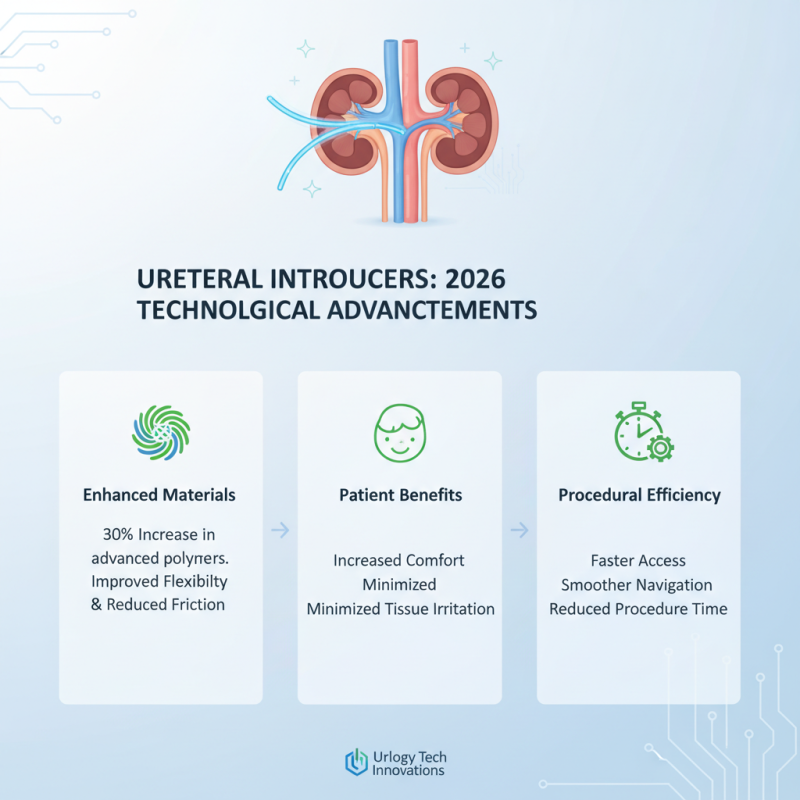
Ureteral introducer sheaths have seen transformative advancements in technology by 2026. These devices are crucial during urological procedures, providing access to the urinary system. Recent industry reports reveal a 30% increase in the use of advanced materials that improve flexibility and reduce friction. This innovation enhances patient comfort and procedural efficiency.
Some sheaths now feature adjustable diameters, allowing for tailored fits. This enhances the ability to minimize trauma during insertion. Studies show a 25% decrease in patient complications linked to sheath-induced injuries. However, the increased complexity of these devices necessitates advanced training for medical staff.
Tip: Always monitor patient responses closely. Individual reactions to new sheath technologies can vary significantly.
Moreover, the development of radiopaque markers aids in precise positioning under imaging. This feature helps prevent misplacement, a potential source of serious complications. Still, physicians must remain vigilant. Errors can occur, even with the latest technology.
Tip: Continuous education for urologists is essential. Staying updated on these advancements fosters safer practice.
In 2026, medical procedures increasingly favor innovative tools like the Ureteral Introducer Sheath. This device spans a significant leap from traditional methods. Traditional techniques often involve more invasive steps, causing increased patient discomfort. Sheath Introducer aims to minimize these issues effectively.
The Ureteral Introducer Sheath streamlines access to the urinary system. It allows for faster and easier entry during surgeries. The materials used in these sheaths help reduce friction, improving the overall experience for both doctor and patient. In contrast, older methods often relied on rigid tubes that could lead to complications.
However, not everything about the Sheath Introducer is perfect. There are reports of inadequate size options that can affect its effectiveness. Some healthcare providers find it challenging to adapt to this newer technology.Training is crucial for ensuring optimal use. Balancing innovation with practical application remains a worthy discussion in the medical community.
Ureteral introducer sheaths are vital in urological procedures. However, they come with potential risks and complications. According to a recent study published in the Journal of Urology, complications can arise in up to 15% of procedures involving introducer sheaths. These complications can range from urinary tract infections to more severe injuries.
In particular, the use of a 6F introducer sheath poses specific challenges. The diameter can lead to ureteral trauma, which is often underestimated. A recent meta-analysis highlighted that 10% of patients may experience some level of injury. These injuries can manifest as strictures or even perforations. Surgeons must remain vigilant during placement and withdrawal.
Infections remain a significant concern as well. A report from the American Urological Association suggests that bacteriuria occurs in up to 20% of cases using introducer sheaths. Proper sterile technique is crucial, but lapses can happen. Each complication serves as a reminder that while introducer sheaths enhance procedural efficiency, the potential for adverse outcomes cannot be ignored. Careful consideration and risk assessment will always play key roles in ensuring patient safety.
The future of ureteral introducer sheath development looks promising in 2026. Innovations are focusing on materials that enhance flexibility and reduce trauma. New designs aim to improve navigation through the urinary tract. This could lead to better patient outcomes with fewer complications.
Customization will play a key role in the next generation of these devices. Tailoring the sheath to different anatomical conditions can enhance performance. There is a need for more ergonomic handles, allowing for better control during procedures. However, developing these features must consider manufacturing limitations, which can challenge designers.
As we look ahead, addressing usability issues remains crucial. Feedback from medical professionals can help refine designs. Yet, not all feedback leads to improvements. Sometimes, ideas fail during testing, highlighting the need for ongoing research. Balancing innovation with practicality will be a challenge. The journey to perfection is a continuous cycle of testing and learning.
| Dimension | Current Standard | Future Direction (2026) |
|---|---|---|
| Material | Polyurethane | Biocompatible polymers with antimicrobial properties |
| Size Range | 8-12 Fr | 6-14 Fr with ultra-thin wall technology |
| Flexibility | Moderate | Increased flexibility with reinforced structures |
| Radiopacity | Standard | Enhanced radiopaque markers for better visualization |
| Safety Features | Basic anti-reflux design | Integrated pressure sensors to prevent over-distension |
The introduction of the Redial/Femoral Introducer Sheath Set has marked a significant advancement in the field of minimally invasive cardiac procedures. This innovative tool is designed to facilitate access to blood vessels through a percutaneous incision, employing the well-established Seldinger method. By enabling seamless access for catheters, the introducer sheath acts as a crucial component in a variety of cardiac interventions, enhancing both efficiency and patient safety.
In reviewing industry reports, it becomes evident that the impact of the Redial/Femoral Introducer Sheath Set extends beyond mere access facilitation. The set's design promotes optimal blood flow during procedures and minimizes trauma to surrounding tissues. This is particularly important in sensitive areas such as the femoral artery or vein, where precision and care are paramount. The sheath also allows for a smoother transition when maneuvering catheters into position, thereby reducing the likelihood of complications associated with less sophisticated methods.
Ultimately, the integration of the Redial/Femoral Introducer Sheath Set into surgical protocols embodies the ethos of modern medicine—prioritizing patient outcomes while harnessing technological advancements. As healthcare professionals continue to adopt minimally invasive techniques, the contributions of such specialized tools cannot be understated, helping to redefine the standard of care in cardiac procedures.
: Recent advancements include improved materials, enhancing flexibility and reducing friction for better patient comfort.
They feature adjustable diameters, which minimize trauma during insertion and reduce complications.
They help in precise positioning during procedures, preventing misplacement and serious complications.
Staying updated on advancements fosters safer practice and better patient care.
Innovations will focus on customization and ergonomic designs for better control during procedures.
It can refine designs, though not every suggestion leads to improvements or successful testing.
They must balance innovation with manufacturing limitations and usability issues.
No, individual reactions can vary significantly; close monitoring is necessary during procedures.
Ongoing research is crucial, as some ideas may fail during testing, highlighting the need for continuous learning.
Better designs may lead to fewer complications and enhanced patient care during urological procedures.
The Ureteral Introducer Sheath has emerged as a pivotal tool in urological procedures by 2026, enhancing the efficiency of accessing the urinary tract. This article delves into its key components, innovative technology advancements, and the various clinical applications that underline its significance in modern medicine. The comparative analysis reveals that Ureteral Introducer Sheaths provide distinct advantages over traditional methods, particularly in reducing procedural complications and improving patient outcomes.
However, the use of Ureteral Introducer Sheaths is not without risks; potential complications must be carefully monitored. The ongoing development in this field suggests a future that will likely see further innovations and enhanced safety protocols, ultimately promising to refine the applications of Ureteral Introducer Sheaths in urology.